Overview
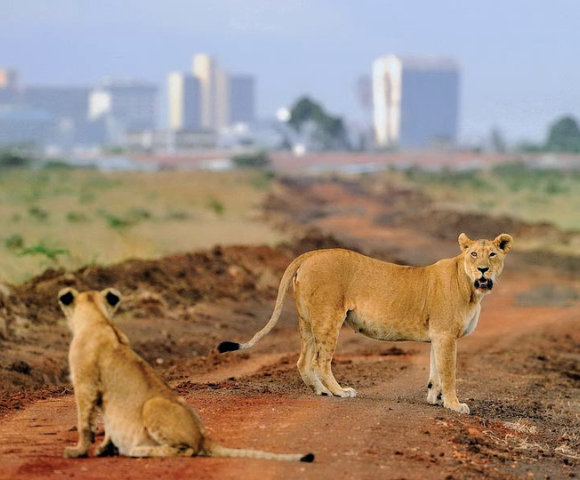
Few places in the world offer a safari experience quite like Nairobi National Park. Imagine watching a pride of lions resting on open grassland while the skyline of one of Africa’s largest cities rises in the distance. Just minutes from Nairobi’s bustling city centre, this remarkable park is the only national park in the world bordering a capital city, offering visitors the rare opportunity to experience authentic African wildlife without travelling far from modern urban life.
Covering approximately 117 square kilometres, Nairobi National Park may be one of Kenya’s smallest national parks, but it consistently delivers outstanding wildlife viewing. Open grasslands, scattered acacia woodland, rocky valleys, seasonal rivers, and wetlands support an impressive variety of animals, while the park’s southern boundary remains unfenced, allowing wildlife to move freely between the park and the neighbouring Athi-Kapiti Plains ecosystem.
Nairobi National Park is home to four of the Big Five, including one of Kenya’s most important populations of endangered black rhinos. Lions, leopards, cheetahs, buffaloes, giraffes, zebras, numerous antelope species, and more than 400 recorded bird species all thrive within this surprisingly compact wilderness. Its open landscapes often make wildlife easier to spot than in many larger parks, making it an excellent choice for first-time safari visitors and experienced wildlife enthusiasts alike.
Beyond its remarkable wildlife, Nairobi National Park also plays a vital role in Kenya’s conservation history. It protects one of East Africa’s oldest black rhino sanctuaries and is home to several important conservation attractions, including the historic Ivory Burning Site Monument, the Nairobi Safari Walk, the Nairobi Animal Orphanage, and the nearby David Sheldrick Wildlife Trust, where orphaned elephants are rehabilitated before being returned to the wild.
Whether you have just a few hours between flights, a free day in Nairobi, or are beginning a longer Kenyan safari, Nairobi National Park offers one of Africa’s most unique wildlife experiences. Few destinations allow you to photograph lions, rhinos, giraffes, and zebras roaming freely with a modern city skyline rising beyond the savannah.
Attractions in Nairobi National Park
Although Nairobi National Park is best known for its extraordinary location beside Kenya’s capital city, its appeal extends far beyond the famous skyline. Exceptional wildlife viewing, one of Africa’s leading black rhino conservation programmes, fascinating birdlife, important conservation landmarks, and family-friendly attractions combine to create one of Kenya’s most rewarding safari destinations.
Wildlife
Despite its relatively small size, Nairobi National Park supports an impressive diversity of wildlife. Its open grasslands and lightly wooded plains provide excellent visibility, giving visitors some of Kenya’s best opportunities to observe wildlife during a relatively short safari.
The park is home to four of the Big Five: lion, leopard, buffalo, and black rhino. Lions are frequently seen resting beneath acacia trees or patrolling the grasslands, while cheetahs take advantage of the open plains to hunt gazelles and other small antelope. Leopards are more elusive but are occasionally spotted in the park’s riverine woodland and rocky outcrops, rewarding patient visitors with unforgettable sightings.
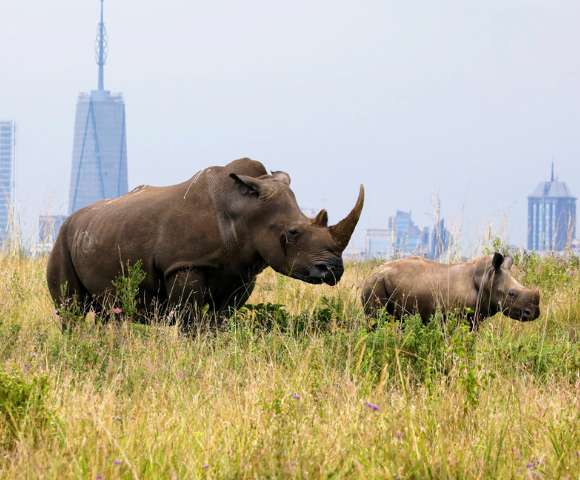
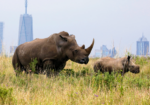
Perhaps the park’s greatest conservation success is its thriving population of endangered black rhinos. Nairobi National Park protects one of Kenya’s oldest and most successful black rhino sanctuaries, making it one of the best places in Africa to see these magnificent animals in their natural habitat. White rhinos are also found within the park, offering visitors excellent opportunities to observe both species during a single game drive.
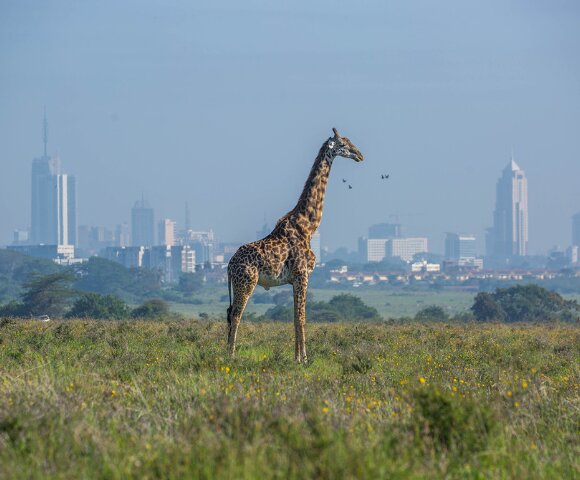
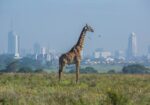
Other commonly seen mammals include Rothschild’s giraffes, Burchell’s zebras, blue wildebeest, Coke’s hartebeest, elands, impalas, Grant’s gazelles, Thomson’s gazelles, waterbucks, warthogs, olive baboons, vervet monkeys, spotted hyenas, and jackals. Along the Mbagathi River and several dams, crocodiles and hippos can occasionally be seen, adding even greater diversity to the safari experience.
Because wildlife is distributed across a relatively compact area, visitors often enjoy rewarding game viewing within just a few hours, making Nairobi National Park one of Kenya’s best destinations for half-day and full-day safaris.
Birdlife
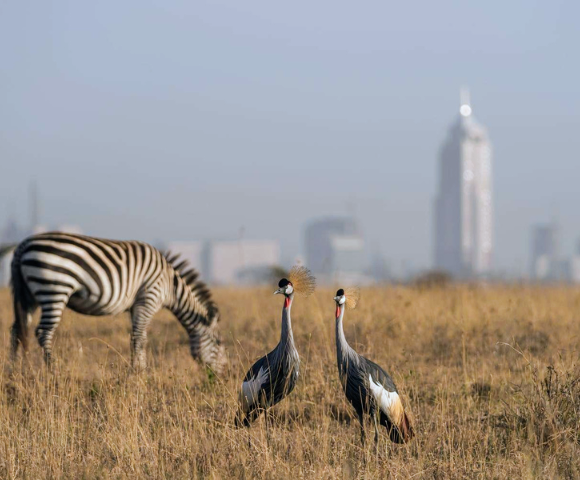
Nairobi National Park is one of Kenya’s finest birdwatching destinations, with more than 400 recorded bird species occupying its grasslands, wetlands, riverine forests, and acacia woodlands. Even visitors primarily interested in mammals are often surprised by the colourful variety of birds encountered throughout a game drive.
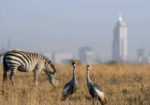
Large birds of prey, including martial eagles, African fish eagles, augur buzzards, and secretary birds, are frequently seen scanning the plains for prey. The open grasslands also provide excellent habitat for impressive ground-dwelling species such as Kori bustards, black-bellied bustards, helmeted guineafowl, and crested francolins.
Wetlands and seasonal dams attract species including African jacanas, African darters, grey herons, white-faced whistling ducks, hadada ibises, and numerous kingfishers, while colourful residents such as the lilac-breasted roller, superb starling, African grey hornbill, and red-cheeked cordon-bleu bring vibrant flashes of colour to the landscape.
From October to March, migratory birds arriving from Europe and Central Asia further increase the park’s avian diversity, making this an especially rewarding period for dedicated birdwatchers and wildlife photographers.
Nairobi Skyline
Perhaps no feature defines Nairobi National Park more than the extraordinary contrast between untamed wilderness and modern city life. Nowhere else in the world can visitors photograph lions, giraffes, rhinos, or zebras roaming freely with the skyline of a major capital city rising beyond the horizon.
This striking backdrop has made Nairobi National Park one of Africa’s most photographed safari destinations. Early morning game drives often produce particularly spectacular images as the rising sun illuminates both the wildlife and the city skyline, while late afternoon light creates equally memorable photography opportunities.
Far from diminishing the safari experience, the skyline serves as a powerful reminder of Kenya’s remarkable commitment to conserving wildlife alongside one of Africa’s fastest-growing cities.
Black Rhino Sanctuary
Nairobi National Park is internationally recognised for its pioneering role in black rhino conservation. Established as one of Kenya’s first protected sanctuaries for this critically endangered species, the park has become an important breeding and conservation area, helping to secure the future of black rhinos both within Kenya and across Africa.
Today, visitors enjoy some of the highest chances anywhere in the country of seeing black rhinos in the wild. Observing these remarkable animals browsing peacefully across the grasslands is not only a safari highlight but also a reminder of the success that dedicated conservation efforts can achieve.
Ivory Burning Site Monument
One of Nairobi National Park’s most historically significant landmarks is the Ivory Burning Site Monument. In 1989, Kenya sent a powerful message to the world when President Daniel arap Moi ordered the burning of confiscated ivory to demonstrate the country’s commitment to ending the illegal ivory trade.
The monument remains a symbol of Kenya’s leadership in wildlife conservation. In 2016, another large ivory stockpile, together with confiscated rhino horn, was destroyed at the same site, reinforcing the country’s determination to combat poaching and protect endangered wildlife.
Today, visitors can stop at the monument to learn about this important chapter in Kenya’s conservation history while enjoying views across the surrounding grasslands.
Nairobi Safari Walk
Located near the park’s main entrance, the Nairobi Safari Walk offers an excellent introduction to Kenya’s diverse wildlife and ecosystems. Elevated wooden boardwalks guide visitors through carefully designed habitats that showcase many of the country’s most iconic animals, including big cats, antelope species, primates, white rhinos, the rare mountain bongo, and even an albino zebra.
Interpretive displays and educational exhibits make the Safari Walk particularly popular with families, school groups, and first-time visitors, while its accessible layout allows guests to appreciate Kenya’s remarkable biodiversity at a relaxed pace.
Nairobi Animal Orphanage
Situated within Nairobi National Park, the Nairobi Animal Orphanage serves as a rescue and rehabilitation centre for injured, orphaned, and rescued wildlife. Established in 1964, it is Kenya’s oldest wildlife rehabilitation facility and continues to play an important role in caring for animals that cannot immediately be returned to the wild.
Visitors have the opportunity to see lions, leopards, cheetahs, hyenas, servals, monkeys, baboons, buffaloes, and several bird species while learning about the conservation work involved in rescuing and rehabilitating wildlife.
David Sheldrick Wildlife Trust
Although located just outside Nairobi National Park’s main entrance, the David Sheldrick Wildlife Trust is one of the city’s most popular conservation attractions and is frequently combined with a park safari.
Best known for rescuing and raising orphaned elephants, the centre gives visitors a rare opportunity to watch young elephants being bottle-fed, playing in mud pools, and interacting with their dedicated keepers while learning about the challenges facing elephant conservation across Kenya.
Many visitors choose to combine a morning game drive in Nairobi National Park with a visit to the elephant orphanage, creating one of Nairobi’s most rewarding wildlife experiences.
Activities & Experiences in Nairobi National Park
Game Drives
One of the greatest attractions of Nairobi National Park is how quickly visitors can immerse themselves in a genuine African safari. Just a short drive from Nairobi’s city centre, the sounds of traffic are soon replaced by birdsong and the sight of open grasslands stretching towards the horizon.
Early morning game drives are particularly rewarding, as predators such as lions, leopards, and hyenas are often still active before the day warms up. Herbivores including giraffes, zebras, buffaloes, elands, and numerous antelope species can be seen grazing across the plains, while black rhinos are regularly encountered thanks to the park’s successful conservation programme.
Afternoon game drives offer equally memorable experiences, especially as the golden light enhances wildlife photography and the city’s skyline creates one of Africa’s most distinctive safari backdrops.
Although the park is relatively compact compared to many of Kenya’s larger reserves, its excellent road network allows visitors to explore a wide variety of habitats within just a few hours, making it ideal for half-day and full-day safaris.
Wildlife Photography
Few places in Africa offer photography opportunities quite like Nairobi National Park.
Where else can you capture images of lions, rhinos, giraffes, or ostriches with modern skyscrapers rising in the distance? This striking contrast between untouched wilderness and urban development has made the park famous among wildlife photographers worldwide.
Morning light provides excellent conditions for photographing mammals across the open plains, while late afternoon offers beautiful golden tones that enhance both landscapes and wildlife portraits. Photographers interested in birdlife will also find countless colourful subjects throughout the park’s wetlands, grasslands, and acacia woodland.
Birdwatching
With more than 500 recorded bird species, Nairobi National Park is one of Kenya’s finest birdwatching destinations despite its proximity to the capital.
The park’s diverse habitats support everything from large raptors soaring overhead to brightly coloured kingfishers, bee-eaters, rollers, hornbills, and weavers. During the migratory season, even more species arrive, creating exciting opportunities for experienced birders and casual wildlife enthusiasts alike.
Whether you’re carrying professional camera equipment or simply enjoying nature through binoculars, the park offers rewarding birdwatching throughout the year.
Visit the Ivory Burning Site Monument
Beyond its wildlife, Nairobi National Park also protects one of Kenya’s most important conservation landmarks.
The Ivory Burning Site Monument commemorates Kenya’s historic stand against the illegal ivory trade. In 1989, thousands of confiscated elephant tusks were publicly burned here in a powerful demonstration of the country’s commitment to protecting elephants and combating wildlife crime.
Visiting this site provides valuable insight into Kenya’s conservation journey and highlights the importance of responsible tourism in safeguarding Africa’s wildlife for future generations.
Nairobi Safari Walk
Located just outside the main entrance, the Nairobi Safari Walk offers an excellent introduction to Kenya’s diverse ecosystems.
The elevated wooden boardwalk passes through wetlands, forests, and savannah habitats where visitors can observe a variety of wildlife while learning about Kenya’s remarkable biodiversity through informative interpretation panels.
It is especially popular with families and visitors who want to complement their game drive with an educational wildlife experience.
David Sheldrick Wildlife Trust Elephant Orphanage
Many visitors combine a safari in Nairobi National Park with a visit to the nearby elephant orphanage, where orphaned elephant calves rescued from across Kenya receive expert care before eventually being returned to protected wilderness areas.
Watching these playful young elephants during their daily feeding sessions offers an unforgettable experience while demonstrating Kenya’s long-standing commitment to wildlife conservation.
For many travellers, this visit becomes one of the highlights of their time in Nairobi.
Conservation & Sustainability
Nairobi National Park plays a vital role in conserving Kenya’s wildlife despite its location beside one of Africa’s fastest-growing cities.
Managed by the Kenya Wildlife Service (KWS), the park serves as one of Kenya’s most important sanctuaries for the endangered black rhino and supports healthy populations of lions, leopards, cheetahs, giraffes, buffaloes, and many other species.
Unlike many fenced wildlife reserves, much of the park’s southern boundary remains open, allowing seasonal migration between Nairobi National Park and the surrounding Athi-Kapiti plains. Protecting these wildlife dispersal areas remains essential for maintaining healthy animal populations and preserving natural migration patterns.
Conservation efforts also focus on anti-poaching patrols, habitat protection, scientific monitoring, community engagement, and wildlife education. Nearby organisations, conservation groups, and local communities continue to work alongside KWS to reduce human-wildlife conflict while promoting responsible tourism that benefits both wildlife and neighbouring communities.
Every visit to Nairobi National Park directly contributes towards protecting one of Africa’s most extraordinary conservation success stories.
Best Time to Visit Nairobi National Park
Nairobi National Park offers rewarding wildlife viewing throughout the year, with each season providing its own unique advantages.
January – February (Short Dry Season)
These warm, generally dry months provide some of the park’s best wildlife viewing conditions. Short grass and limited water sources make animals easier to spot, while clear skies create excellent conditions for photography.
March – May (Long Rains)
Seasonal rains transform the park into a lush green landscape filled with fresh vegetation and colourful wildflowers. Although wildlife can be slightly more difficult to locate in thicker vegetation, birdwatching becomes exceptional as migratory and resident birds thrive.
Visitor numbers are generally lower during this period, making it an attractive option for travellers seeking quieter safaris and good accommodation value.
June – September (Long Dry Season)
Cooler mornings and evenings combined with dry weather make this one of the most popular times to visit.
Wildlife gathers around remaining water sources, increasing the chances of memorable sightings. Comfortable temperatures also make this an ideal season for photography and full-day game drives.
October – December (Short Rains)
Brief, intermittent showers refresh the grasslands without significantly affecting safari activities.
The park becomes beautifully green, migratory birds begin arriving, and dramatic cloud formations often create spectacular photographic conditions. Wildlife viewing remains consistently good throughout this period.
Where to Stay Near Nairobi National Park
Because Nairobi National Park lies just outside Kenya’s capital, visitors can choose from a wide range of accommodation options to suit every travel style and budget.
Budget Accommodation
Budget hotels, guesthouses, and safari camps near the park provide comfortable, affordable accommodation with easy access to the park gates. They are ideal for travellers looking to enjoy a memorable safari while keeping costs manageable.
Mid-range Accommodation
Mid-range hotels and safari lodges combine modern comfort with convenient access to both the park and Nairobi’s attractions. Many feature spacious rooms, restaurants, gardens, and swimming pools, making them popular with couples, families, and small groups.
Luxury Accommodation
Luxury lodges and boutique hotels offer premium safari experiences with elegant accommodation, exceptional dining, personalised service, and convenient access to the park. Some properties even overlook the park itself, allowing guests to enjoy wildlife sightings without leaving the lodge.
Staying close to Nairobi National Park also makes it easy to combine your safari with attractions such as the Giraffe Centre, the David Sheldrick Wildlife Trust Elephant Orphanage, the Karen Blixen Museum, and Nairobi’s vibrant restaurants and cultural experiences.
How to Get to Nairobi National Park
Nairobi National Park is the most accessible safari destination in Kenya, located only about 7 kilometres south of Nairobi’s city centre. Its close proximity to both the city and Kenya’s main international airport makes it an ideal destination for day trips, short safaris, or as the beginning or end of a longer Kenya safari.
By Road
The park can be reached in approximately 20 to 40 minutes from central Nairobi, depending on traffic conditions.
Most visitors travel in comfortable 4×4 safari vehicles, while private transfers and guided day tours are widely available. Its excellent location also allows travellers to combine a morning or afternoon game drive with other attractions in Nairobi on the same day.
By Air
Visitors arriving at Jomo Kenyatta International Airport (JKIA) or Wilson Airport can reach the park within a short drive.
This convenience makes Nairobi National Park an excellent choice for travellers with limited time, those beginning a multi-day Kenya safari, or visitors looking to enjoy one final wildlife experience before departing the country.
Nairobi National Park Safari Packages
Whether you’re visiting Kenya for the first time, have a free day in Nairobi before your safari begins, or want to end your holiday with one final wildlife adventure, Nairobi National Park offers safari itineraries to suit every schedule and travel style.
Thanks to its convenient location close to both Nairobi city centre and Kenya’s major airports, the park is often the starting point for longer safari journeys across the country. Many travellers combine Nairobi National Park with destinations such as Lake Nakuru National Park, Maasai Mara National Reserve, Amboseli National Park, Samburu National Reserve, Ol Pejeta Conservancy, or Aberdare National Park, creating an unforgettable safari through Kenya’s diverse landscapes and wildlife.
At Giorgi Safaris, we tailor every itinerary to your interests, travel dates, and budget rather than offering one-size-fits-all packages. Whether you’re looking for a half-day game drive, a full-day wildlife experience, or a multi-day journey through Kenya’s most iconic safari destinations, we’ll help you create an itinerary that makes the most of your time in Kenya. Some of our most popular Nairobi National Park safari packages include:
Half-Day Nairobi National Park Safari
Perfect for travellers with limited time, this safari offers an excellent introduction to Kenya’s remarkable wildlife without leaving the capital behind.
Choose either a morning or afternoon game drive as you search for lions, rhinos, giraffes, buffaloes, zebras, and many other animals against the unique backdrop of Nairobi’s skyline. This itinerary is ideal for business travellers, short stopovers, and visitors with only a few hours to spare.
Full-Day Nairobi Wildlife Experience
For visitors wishing to explore more than just the national park, this full-day itinerary combines a game drive with some of Nairobi’s best-known wildlife attractions.
Depending on your interests, your day may include visits to the David Sheldrick Wildlife Trust Elephant Orphanage, the Giraffe Centre, the Nairobi Safari Walk, or the Karen Blixen Museum, creating an enjoyable combination of wildlife, conservation, and Kenyan history.
Nairobi and Lake Nakuru Safari
This itinerary combines Kenya’s most accessible safari destination with one of the country’s finest wildlife parks.
After experiencing the unique contrast of wildlife and city skyline in Nairobi National Park, continue to Lake Nakuru National Park, renowned for its thriving rhino populations, Rothschild’s giraffes, excellent birdlife, and beautiful lake scenery. Together, these destinations offer outstanding wildlife viewing within relatively short travelling distances.
Nairobi and Maasai Mara Safari
This popular combination begins with a short safari close to the capital before continuing to Kenya’s most celebrated wildlife destination.
While Nairobi National Park provides excellent opportunities to see rhinos and many other iconic African animals, the Maasai Mara National Reserve offers vast savannahs, exceptional Big Five sightings, and, seasonally, the spectacular Great Migration. Together, they provide an unforgettable introduction to Kenya’s extraordinary wildlife.
Nairobi and Amboseli Safari
This itinerary combines two completely different safari experiences.
Begin your adventure at Nairobi National Park before travelling to Amboseli National Park, where enormous elephant herds roam beneath the magnificent backdrop of Mount Kilimanjaro. The contrasting landscapes, outstanding wildlife viewing, and excellent photography opportunities make this one of Kenya’s most rewarding safari combinations.
Nairobi and Samburu Safari
Travellers looking to experience Kenya’s remarkable ecological diversity will enjoy combining Nairobi National Park with Samburu National Reserve.
After exploring the wildlife-rich plains surrounding Kenya’s capital, journey north into Samburu’s rugged semi-arid landscapes, where the famous Samburu Special Five, the Ewaso Ng’iro River, and rich cultural traditions create an entirely different safari experience.
Kenya Bush and Beach Safari
Many visitors choose to begin their Kenya holiday with a safari before relaxing along the country’s beautiful Indian Ocean coastline.
After enjoying memorable wildlife encounters in Nairobi National Park and other leading safari destinations, unwind on the white sandy beaches of Diani, Watamu, Malindi, or Nyali. This combination of adventure and relaxation remains one of Kenya’s most popular holiday experiences.
Every safari can be customised to include your preferred accommodation, destinations, activities, travel dates, and budget, ensuring your Kenya safari is planned around your individual interests.
Frequently Asked Questions About Nairobi National Park
1. Is Nairobi National Park worth visiting?
Yes. Nairobi National Park is one of Kenya’s most unique safari destinations, offering excellent wildlife viewing just minutes from the capital city. Its combination of abundant wildlife and Nairobi’s skyline makes it unlike any other national park in the world.
2. How many days do I need in Nairobi National Park?
Most visitors spend half a day or a full day exploring the park. If you’re combining it with other Nairobi attractions such as the Giraffe Centre or David Sheldrick Wildlife Trust Elephant Orphanage, a full-day itinerary is usually ideal.
3. Can I see the Big Five in Nairobi National Park?
The park is home to four of the Big Five: lions, leopards, buffaloes, and black rhinos. Elephants are not found within the park because its relatively small size cannot support their long-term ecological requirements.
4. What is the best time to visit Nairobi National Park?
Wildlife viewing is rewarding throughout the year. The dry seasons from January to February and June to September generally provide the easiest wildlife viewing, while the rainy seasons bring greener landscapes and excellent birdwatching opportunities.
5. How much is the park entry fee?
Park entry fees vary depending on residency status and are reviewed periodically by the Kenya Wildlife Service (KWS). We recommend checking the latest rates before travelling or contacting us for the most up-to-date information when planning your safari.
6. Is Nairobi National Park suitable for families?
Yes. Its convenient location, relatively short game drives, and abundant wildlife make it an excellent safari destination for families travelling with children.
7. Which airport is closest to Nairobi National Park?
The park is easily accessible from both Jomo Kenyatta International Airport (JKIA) and Wilson Airport, making it an ideal first or last stop on a Kenya safari.
8. Can Nairobi National Park be combined with other safari destinations?
Absolutely. Many visitors combine Nairobi National Park with Lake Nakuru National Park, Maasai Mara National Reserve, Amboseli National Park, Samburu National Reserve, Ol Pejeta Conservancy, or Aberdare National Park for a longer and more varied Kenya safari.
Conclusion: Why Visit Nairobi National Park
Few destinations anywhere in the world offer an experience quite like Nairobi National Park. Watching lions, rhinos, giraffes, and countless other wildlife roaming freely against the backdrop of a modern city skyline is something that leaves a lasting impression on every visitor.
Its exceptional accessibility, remarkable wildlife, strong conservation legacy, and convenient connections to Kenya’s other leading safari destinations make it an outstanding choice for both first-time visitors and experienced safari travellers.
Whether you have just a few hours or are beginning a longer journey through Kenya, Nairobi National Park proves that unforgettable wildlife experiences can start almost the moment you arrive.
Start Planning Your Nairobi National Park Safari
Whether you’re planning a half-day game drive, a full-day wildlife experience, or combining Nairobi National Park with destinations such as Lake Nakuru, Maasai Mara, Amboseli, Samburu, or Aberdare, Giorgi Safaris is here to help you plan every detail with confidence.
We’ll tailor your itinerary around your interests, travel dates, preferred accommodation, and budget, creating a safari that fits your schedule while showcasing the very best of Kenya’s wildlife and landscapes.
From your first game drive beneath Nairobi’s iconic skyline to an unforgettable journey across Kenya’s most celebrated national parks and reserves, we’ll help you create a safari experience that matches your travel goals.
Get in touch with Giorgi Safaris today and let us help you plan a Nairobi National Park safari you’ll remember for a lifetime.