
Overview
Lake Nakuru National Park is one of Kenya’s most rewarding safari destinations, renowned for its thriving rhino population, endangered Rothschild’s giraffes, spectacular birdlife, and the beautiful alkaline lake that lies at its heart. Set within the Great Rift Valley, the park combines diverse wildlife, scenic landscapes, and excellent accessibility, making it an ideal choice for both first-time visitors and seasoned safari travellers.
Covering approximately 188 square kilometres, Lake Nakuru National Park may be smaller than many of Kenya’s famous wildlife reserves, but it delivers an exceptional safari experience. Open grasslands, acacia woodlands, rocky escarpments, euphorbia forests, and the shimmering waters of Lake Nakuru create a rich variety of habitats that support an impressive diversity of wildlife throughout the year.
The park has earned international recognition as one of Kenya’s leading rhino sanctuaries, providing a safe refuge for both endangered black rhinos and southern white rhinos. Visitors also have an excellent chance of seeing Rothschild’s giraffes, lions, leopards, buffaloes, zebras, waterbucks, hippos, baboons, and numerous other mammals during a single game drive.
Although Lake Nakuru was once famous for the vast flocks of lesser flamingos that coloured its shoreline pink, the number of flamingos naturally changes with water levels and food availability. Even so, the park remains one of Kenya’s finest birdwatching destinations, with more than 450 recorded bird species attracting bird enthusiasts from around the world.
Beyond its remarkable wildlife, Lake Nakuru National Park offers breathtaking viewpoints overlooking the lake and surrounding Rift Valley, picturesque waterfalls, and peaceful forests that add variety to every safari. Whether you’re planning a short escape from Nairobi or combining several of Kenya’s most iconic wildlife destinations, Lake Nakuru offers a safari experience that is both diverse and unforgettable.
Attractions in Lake Nakuru National Park
Wildlife
Lake Nakuru National Park is one of Kenya’s best places to enjoy rewarding wildlife viewing within a relatively compact area. Its varied habitats support an impressive concentration of animals, allowing visitors to experience a diverse safari without travelling long distances between sightings.
Game drives often reveal lions resting beneath acacia trees, buffaloes grazing across open plains, zebras and waterbucks feeding near the lakeshore, and troops of baboons along the roadside. Lucky visitors may also encounter the elusive leopard, which is frequently seen in the park’s woodlands and rocky outcrops, particularly during the early morning and late afternoon.
Because the park is fully fenced, wildlife remains well protected while still moving naturally throughout the different habitats. Combined with its manageable size, this makes Lake Nakuru one of Kenya’s most reliable destinations for memorable game viewing, especially for visitors with limited time.
Rhino Sanctuary
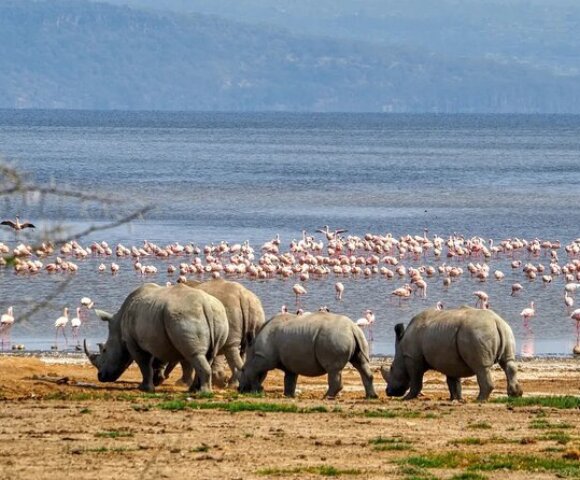
Perhaps the park’s greatest conservation success is its internationally recognised rhino sanctuary. Lake Nakuru National Park protects one of Kenya’s largest populations of both endangered black rhinos and southern white rhinos, making it one of the country’s finest places to observe these magnificent animals in their natural habitat.
Unlike many safari destinations where rhino sightings can never be guaranteed, visitors to Lake Nakuru often enjoy excellent opportunities to see several individuals during a single game drive. Watching these prehistoric-looking giants quietly grazing against the backdrop of the Rift Valley is an experience that few visitors forget.
The sanctuary plays a vital role in Kenya’s ongoing rhino conservation efforts, helping safeguard these threatened species for future generations while giving visitors the chance to appreciate one of Africa’s greatest conservation success stories.
Rothschild’s Giraffes
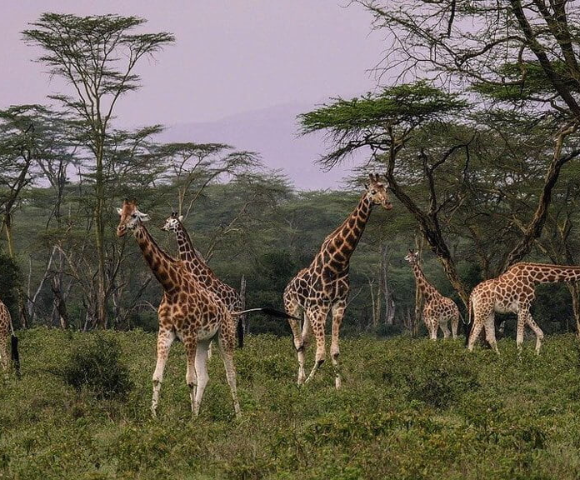
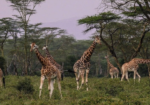
Lake Nakuru National Park is also one of Kenya’s most important refuges for the endangered Rothschild’s giraffe. Once threatened by habitat loss and declining numbers, these elegant animals have flourished within the park thanks to carefully managed conservation programmes.
Their pale coats, distinctive markings, and graceful movements make them among the easiest large mammals to photograph. Whether browsing quietly among the acacia trees or crossing open grasslands beneath the dramatic Rift Valley escarpment, Rothschild’s giraffes add another memorable highlight to every safari.
Birdlife
With more than 450 recorded bird species, Lake Nakuru National Park remains one of East Africa’s premier birdwatching destinations. Even visitors who don’t consider themselves birdwatchers are often surprised by the remarkable variety of species encountered throughout the park.
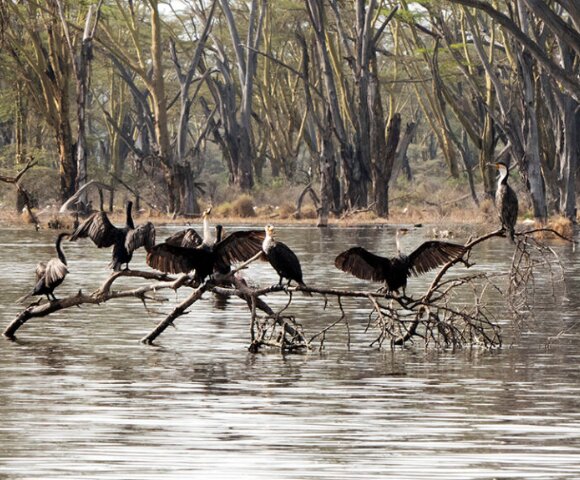
The alkaline waters of Lake Nakuru continue to attract flamingos whenever conditions are favourable, while pelicans, African fish eagles, cormorants, herons, storks, kingfishers, bee-eaters, hornbills, and numerous birds of prey can be seen across the park’s diverse habitats.
Bird activity changes throughout the year as migratory species arrive during the wet seasons, ensuring every visit offers something different. Whether you’re carrying professional camera equipment or simply enjoying wildlife through binoculars, the park provides exceptional birdwatching opportunities.
Lake Nakuru
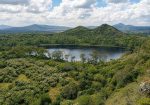
At the centre of the park lies Lake Nakuru itself, a shallow alkaline lake that has shaped both the landscape and the remarkable biodiversity found here. Its changing water levels and seasonal conditions create an ever-evolving ecosystem that supports countless birds and other wildlife.
Early mornings are especially rewarding as the calm water reflects the surrounding escarpments while pelicans glide across the lake and buffaloes, waterbucks, and other animals gather along the shoreline. Depending on seasonal conditions, visitors may also witness flamingos feeding in the shallows, creating one of Kenya’s most recognisable safari scenes.
Beyond its importance for wildlife, the lake provides some of the park’s finest photographic opportunities, particularly during sunrise and sunset when the soft light transforms the surrounding landscape.
Scenic Viewpoints
Lake Nakuru National Park offers several spectacular viewpoints that showcase the beauty of the Great Rift Valley from above. These elevated lookouts provide sweeping views across the shimmering lake, surrounding forests, grasslands, and distant escarpments, revealing the remarkable diversity of landscapes contained within the park.
Among the most popular viewpoints are Baboon Cliff, Lion Hill, and Out of Africa Lookout. Each offers a different perspective, making them ideal places to pause between game drives, admire the scenery, and capture memorable photographs of the park below.
Baboon Cliff
Baboon Cliff is one of Lake Nakuru National Park’s best-known viewpoints and a favourite stop during many game drives. Perched high above the lake, it rewards visitors with panoramic views stretching across the water, surrounding woodlands, and the dramatic cliffs of the Great Rift Valley.
The viewpoint is also home to troops of olive baboons that often entertain visitors with their playful behaviour. On clear days, the combination of expansive landscapes, wildlife, and changing light makes Baboon Cliff one of the park’s most rewarding photography locations.
Makalia Falls
Tucked away in the southern part of the park, Makalia Falls offers a refreshing contrast to the open grasslands and lakeshore scenery. During the rainy seasons, water cascades over the rocky cliffs into a tranquil pool surrounded by lush vegetation, creating one of the park’s most picturesque natural attractions.
The falls attract numerous birds and smaller wildlife, making them a peaceful place to pause during a game drive while enjoying a different side of Lake Nakuru National Park’s diverse landscapes.
Euphorbia Forest
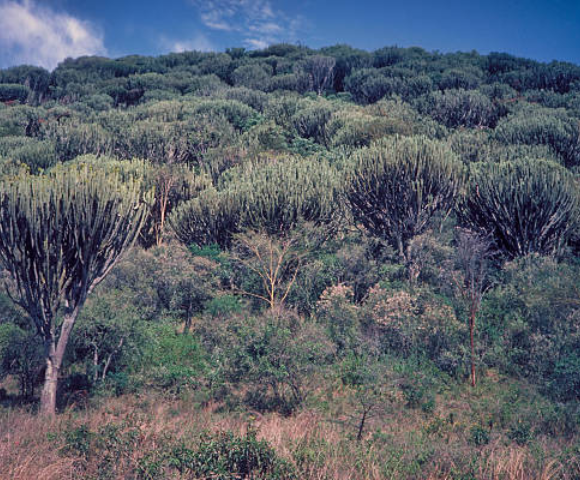
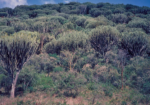
One of Lake Nakuru National Park’s most distinctive features is its extensive euphorbia forest, believed to be one of the largest of its kind in Africa. Towering candelabra euphorbia trees create an unusual landscape unlike those found in most other Kenyan national parks.
The forest provides important habitat for leopards, giraffes, baboons, numerous bird species, and other wildlife while adding another layer of diversity to the park’s ecosystems. Driving through these striking woodlands offers a completely different safari experience from the open lakeshore and grasslands, highlighting just how varied Lake Nakuru National Park truly is.
Activities & Experiences in Lake Nakuru National Park
Game Drives
Few safari experiences are more rewarding than setting out on an early morning game drive as Lake Nakuru National Park slowly comes to life. The cool morning air, golden sunrise, and increasing wildlife activity create ideal conditions for spotting animals before the heat of the day sets in.
Because the park is relatively compact and its road network is well maintained, visitors can comfortably explore a wide variety of habitats within a single game drive. From open grasslands and acacia woodlands to rocky escarpments and the lakeshore, every section of the park offers something different.
Game drives regularly produce sightings of black and white rhinos, Rothschild’s giraffes, buffaloes, zebras, waterbucks, baboons, and numerous antelope species. Lions are frequently encountered, while patient visitors may also be rewarded with the elusive leopard, one of the park’s most sought-after predators.
Whether you choose a half-day excursion or a full-day safari, every drive offers new opportunities to experience the remarkable diversity that makes Lake Nakuru one of Kenya’s most popular wildlife destinations.
Birdwatching
Lake Nakuru National Park has long been regarded as one of Kenya’s finest birdwatching destinations. With more than 450 recorded bird species, the park rewards both dedicated birders and first-time visitors with an impressive variety of colourful and fascinating birds.
Although flamingo numbers naturally fluctuate throughout the year depending on lake conditions, there is always plenty to discover. Great white pelicans, African fish eagles, cormorants, herons, kingfishers, bee-eaters, hornbills, storks, and numerous birds of prey can all be observed across the park’s diverse habitats.
The early morning hours are particularly rewarding, when bird activity is at its highest and the soft light creates ideal conditions for photography. During the wet seasons, migratory birds further increase the park’s already remarkable avian diversity.
Wildlife Photography
Lake Nakuru National Park offers outstanding opportunities for wildlife and landscape photography. Its varied habitats, dramatic Rift Valley scenery, and reliable wildlife sightings provide photographers with an impressive range of subjects throughout the day.
You might capture a black rhino grazing against the backdrop of the lake, Rothschild’s giraffes browsing beneath umbrella acacias, lions resting in the shade, or pelicans gliding across calm waters at sunrise. Elevated viewpoints such as Baboon Cliff and Lion Hill also provide sweeping panoramic views that beautifully showcase the park’s landscapes.
The best lighting is usually found during the early morning and late afternoon, when wildlife is most active and the warm, golden light enhances both landscapes and animal photography.
Scenic Viewpoints
While wildlife is the main attraction, Lake Nakuru National Park’s scenic viewpoints add another memorable dimension to every safari. Baboon Cliff, Lion Hill, and Out of Africa Lookout provide spectacular panoramic views across the lake, surrounding forests, and the Great Rift Valley escarpment.
These viewpoints offer ideal places to pause during a game drive, appreciate the scale of the landscape, and capture photographs that showcase the park’s remarkable setting beyond its wildlife alone.
Nature Appreciation
Lake Nakuru National Park is more than a destination for wildlife viewing. Its varied landscapes encourage visitors to slow down and appreciate the smaller details that make every safari unique.
Driving through the towering euphorbia forest, listening to fish eagles calling across the lake, or watching the changing reflections on the water as the sun begins to set creates memorable moments that are every bit as rewarding as a major wildlife sighting. For many visitors, these quieter experiences become some of the lasting memories of their safari.
Conservation & Sustainability
Lake Nakuru National Park plays a vital role in Kenya’s wildlife conservation efforts and is internationally recognised as one of the country’s most successful protected areas. Managed by the Kenya Wildlife Service (KWS), the park safeguards a remarkable diversity of wildlife while preserving one of the Great Rift Valley’s most important ecosystems.
Perhaps its greatest conservation achievement is protecting one of Kenya’s largest populations of endangered black rhinos alongside southern white rhinos. Careful monitoring, habitat management, and ongoing anti-poaching initiatives have transformed the park into one of Africa’s leading rhino sanctuaries, offering visitors one of the best opportunities to see these magnificent animals in the wild.
The park has also been instrumental in the successful conservation of the endangered Rothschild’s giraffe, whose population has steadily recovered within this protected environment.
Responsible tourism continues to support these conservation efforts. By visiting Lake Nakuru National Park, travellers contribute directly to wildlife protection, habitat restoration, park management, and community livelihoods while helping preserve this remarkable ecosystem for future generations.
Visitors can further support conservation by respecting park regulations, remaining on designated roads, maintaining safe distances from wildlife, and following guidance provided by experienced safari guides.
Best Time to Visit Lake Nakuru National Park
Lake Nakuru National Park is a year-round safari destination, with each season offering different wildlife experiences, scenery, birdlife, and photography opportunities.
January to February (Short Dry Season)
The short dry season offers warm weather, clear skies, and excellent wildlife viewing. Shorter vegetation makes animals easier to spot, while many species gather around permanent water sources. Comfortable temperatures and fewer visitors than the peak safari season also make this an excellent time for photography and relaxed game drives.
March to May (Long Rains)
The long rains transform the park into a vibrant green landscape filled with fresh vegetation and dramatic skies. Although showers are more frequent, wildlife remains abundant throughout the park, and birdwatching becomes particularly rewarding as migratory species join the resident birdlife.
Travellers seeking quieter safaris, attractive accommodation rates, and beautiful scenery often find this season especially rewarding.
June to September (Long Dry Season)
This is generally considered one of the best times to visit Lake Nakuru National Park. Dry conditions improve wildlife visibility as animals concentrate around reliable water sources, while cooler temperatures create comfortable conditions for game drives throughout the day.
The clear air also provides excellent visibility for landscape photography from the park’s scenic viewpoints.
October to December (Short Rains)
Short, intermittent showers refresh the landscape without significantly affecting wildlife viewing. The park becomes lush and colourful once again, while migratory birds begin arriving to complement the already impressive resident bird population.
Photographers often appreciate this season for its dramatic cloud formations, vivid green vegetation, and softer natural lighting.
Where to Stay in Lake Nakuru National Park
Lake Nakuru National Park offers accommodation to suit a wide range of travel styles and budgets, with options available both inside the park and in the surrounding area.
Budget Accommodation
Budget camps and guesthouses provide comfortable, affordable accommodation for travellers seeking a value-for-money safari. These options are ideal for backpackers, students, families, and visitors planning multi-destination itineraries across Kenya.
Mid-range Accommodation
Mid-range lodges and tented camps combine comfort, excellent service, and attractive locations close to the park’s wildlife. Many feature spacious rooms, restaurants, gardens, and swimming pools where guests can unwind after a day of game drives.
Luxury Accommodation
Luxury safari lodges offer elegant accommodation with personalised service, fine dining, and spectacular views of the surrounding landscapes. After an exciting day exploring the park, guests can relax in beautifully designed surroundings while enjoying the peaceful atmosphere of the Great Rift Valley.
How to Get to Lake Nakuru National Park
Lake Nakuru National Park is located approximately 160 kilometres northwest of Nairobi in Nakuru County, making it one of Kenya’s most accessible safari destinations. Its convenient location makes it ideal for short safaris as well as longer itineraries through the Great Rift Valley.
By Road
The drive from Nairobi takes approximately three to four hours via the Nairobi-Nakuru Highway, depending on traffic and road conditions. The journey passes through the spectacular Great Rift Valley, where many travellers stop at scenic viewpoints to admire the dramatic escarpment before continuing to the park.
Lake Nakuru also combines naturally with nearby destinations such as Lake Naivasha, Maasai Mara National Reserve, Aberdare National Park, Ol Pejeta Conservancy, and Samburu National Reserve, making it an excellent addition to longer Kenya safari itineraries.
By Air
Visitors can also fly from Nairobi’s Wilson Airport to nearby airstrips serving the Nakuru area, followed by a short road transfer to the park. Although most travellers choose to drive because of the relatively short distance, scheduled and charter flights provide a convenient alternative for those seeking to maximise their time on safari.
Lake Nakuru National Park Safari Packages
Whether you’re planning your first safari in Kenya or looking to add another remarkable destination to a longer itinerary, Lake Nakuru National Park offers safari experiences to suit every travel style, budget, and length of stay.
At Giorgi Safaris, we tailor every itinerary to your preferences rather than offering one-size-fits-all packages. Whether you’re looking for a short wildlife escape, a family safari, a luxury holiday, a photography-focused adventure, or a journey through Kenya’s most iconic national parks, we’ll help design an itinerary that matches your interests and budget. Some of our most popular Lake Nakuru safari packages include:
2-Day Lake Nakuru Safari
Perfect for travellers with limited time, this short safari offers an excellent introduction to one of Kenya’s most rewarding wildlife destinations. Over two days, you’ll enjoy game drives in search of black and white rhinos, Rothschild’s giraffes, lions, buffaloes, and the park’s remarkable birdlife while taking in the beautiful scenery of the Great Rift Valley.
3-Day Lake Nakuru Safari
With an extra day to explore, this itinerary allows for a more relaxed safari experience and increases your chances of memorable wildlife encounters. In addition to multiple game drives, you’ll have more time to visit scenic viewpoints such as Baboon Cliff, photograph the park’s diverse landscapes, and fully appreciate its unique combination of wildlife and birdlife.
Maasai Mara and Lake Nakuru Safari
This is one of Kenya’s most popular safari combinations, bringing together two destinations that complement each other perfectly.
While Maasai Mara National Reserve is renowned for its Big Five, vast savannahs, and the Great Migration, Lake Nakuru National Park is celebrated for its thriving rhino sanctuary, Rothschild’s giraffes, and exceptional birdlife. Together, they offer an unforgettable safari featuring two of Kenya’s most rewarding wildlife experiences.
Lake Nakuru and Amboseli Safari
For travellers wishing to experience two very different landscapes, this itinerary combines the beautiful Rift Valley with Kenya’s famous elephant country.
After exploring Lake Nakuru’s rhino sanctuary and lakeside habitats, continue to Amboseli National Park, where large elephant herds roam beneath the magnificent backdrop of Mount Kilimanjaro. The contrast in scenery, wildlife, and photographic opportunities makes this one of Kenya’s most memorable safari combinations.
Lake Nakuru, Aberdare, and Ol Pejeta Safari
This itinerary is ideal for travellers interested in wildlife conservation and Kenya’s diverse landscapes.
Beginning at Lake Nakuru National Park, you’ll continue to the misty forests and waterfalls of Aberdare National Park before visiting Ol Pejeta Conservancy, one of East Africa’s leading wildlife conservation areas. Together, these destinations provide outstanding opportunities to see rhinos, endangered species, beautiful mountain scenery, and a remarkable variety of wildlife.
Kenya Bush and Beach Safari
Many visitors choose to combine the excitement of a Lake Nakuru safari with a relaxing beach holiday along Kenya’s Indian Ocean coast.
After enjoying unforgettable wildlife encounters in the Great Rift Valley, unwind on the white sandy beaches of Diani, Watamu, Malindi, or Nyali. This combination offers the perfect balance of adventure and relaxation, making it especially popular with honeymooners, couples, and families.
Luxury Fly-in Kenya Safari
For travellers seeking maximum comfort and minimal travel time, Lake Nakuru can easily be incorporated into a luxury fly-in safari alongside other leading wildlife destinations.
By combining scheduled or charter flights with carefully selected luxury lodges, visitors can spend more time enjoying Kenya’s spectacular wildlife while travelling comfortably between destinations.
Every safari can be customised to include your preferred accommodation, activities, travel dates, and budget, ensuring your Lake Nakuru safari is designed around your individual travel goals.
Frequently Asked Questions About Lake Nakuru National Park
1. Is Lake Nakuru National Park worth visiting?
Yes. Lake Nakuru National Park is one of Kenya’s most rewarding safari destinations, particularly for visitors hoping to see rhinos, Rothschild’s giraffes, and exceptional birdlife within a relatively compact area. Its beautiful Rift Valley setting and easy accessibility from Nairobi make it an excellent choice for both short and longer safaris.
2. How many days should I spend in Lake Nakuru National Park?
Most visitors spend one or two nights in the park. A two-day safari is ideal for experiencing its highlights, while three days provide more time for relaxed game drives, photography, and exploring scenic viewpoints.
3. Can I see the Big Five in Lake Nakuru National Park?
Lake Nakuru is home to four of the Big Five: lions, leopards, buffaloes, and both black and white rhinos. Elephants are not found in the park.
4. What is Lake Nakuru National Park famous for?
The park is best known for its successful rhino conservation programme, endangered Rothschild’s giraffes, abundant birdlife, and the beautiful alkaline lake that gives the park its name. It was also historically famous for its spectacular flamingo populations.
5. Are flamingos always found at Lake Nakuru?
Flamingo numbers vary naturally depending on water levels, algae availability, and environmental conditions. While visitors may still see flamingos, the park should be appreciated for its outstanding wildlife, birdlife, and scenery rather than flamingos alone.
6. When is the best time to visit Lake Nakuru National Park?
Lake Nakuru is a year-round safari destination. The dry seasons from January to February and June to September generally offer the best wildlife viewing, while the rainy seasons provide lush scenery and excellent birdwatching.
7. Is Lake Nakuru National Park suitable for families?
Yes. The park’s relatively short driving distances, excellent wildlife viewing, and variety of accommodation options make it an excellent destination for families travelling with children.
8. How far is Lake Nakuru National Park from Nairobi?
The park is located approximately 160 kilometres from Nairobi, and the drive typically takes between three and four hours, depending on traffic and road conditions.
9. Which destinations combine well with Lake Nakuru?
Lake Nakuru combines naturally with Maasai Mara National Reserve, Lake Naivasha, Aberdare National Park, Ol Pejeta Conservancy, Amboseli National Park, and Samburu National Reserve, making it an excellent addition to longer Kenya safari itineraries.
10. Is Lake Nakuru National Park good for photography?
Absolutely. The combination of rhinos, giraffes, birdlife, lakeside scenery, forests, waterfalls, and panoramic Rift Valley viewpoints provides outstanding opportunities for both wildlife and landscape photography throughout the year.
Conclusion: Why Visit Lake Nakuru National Park
Few destinations in Kenya combine remarkable wildlife, successful conservation, beautiful landscapes, and easy accessibility as effortlessly as Lake Nakuru National Park. Whether you’re watching a black rhino grazing across open grasslands, photographing Rothschild’s giraffes beneath acacia trees, admiring pelicans gliding across the lake, or taking in sweeping views of the Great Rift Valley, every moment reveals another reason why this park remains one of Kenya’s most rewarding safari destinations.
Its excellent wildlife viewing, thriving rhino sanctuary, outstanding birdlife, and convenient location also make it an ideal addition to many of Kenya’s most popular safari itineraries. Whether it’s your first safari or another unforgettable adventure, Lake Nakuru National Park promises experiences that will stay with you long after your journey ends.
Start Planning Your Lake Nakuru National Park Safari
Whether you’re planning a short Lake Nakuru safari, combining it with Maasai Mara, Amboseli, Aberdare, or Ol Pejeta, or creating a longer journey through Kenya’s most spectacular wildlife destinations, we’re here to help you plan every detail with confidence.
At Giorgi Safaris, we specialise in tailor-made Kenya safari holidays designed around your interests, travel style, and budget. From selecting the right accommodation to crafting personalised itineraries and arranging experienced safari guides, we’ll help ensure your journey is smooth, memorable, and truly unforgettable.
Get in touch with Giorgi Safaris today, and let us help you start planning your Lake Nakuru National Park safari.