Overview
Samburu National Reserve offers a safari experience unlike anywhere else in Kenya. Set in the country’s rugged northern frontier, this remarkable reserve is renowned for its dramatic semi-arid landscapes, the life-giving Ewaso Ng’iro River, rich Samburu culture, and the famous Samburu Special Five: wildlife found almost exclusively in this part of Kenya. For travellers seeking something beyond the classic safari circuit, Samburu rewards visitors with striking scenery, exceptional wildlife encounters, and a quieter, more exclusive atmosphere.
Covering approximately 165 square kilometres, Samburu National Reserve is relatively small compared to many of Kenya’s other protected areas. Its compact size allows visitors to explore the reserve thoroughly while enjoying excellent wildlife viewing throughout their stay. Despite its size, Samburu supports an extraordinary diversity of wildlife, thanks largely to the Ewaso Ng’iro River, which flows through the reserve and provides a vital source of water in an otherwise dry landscape.
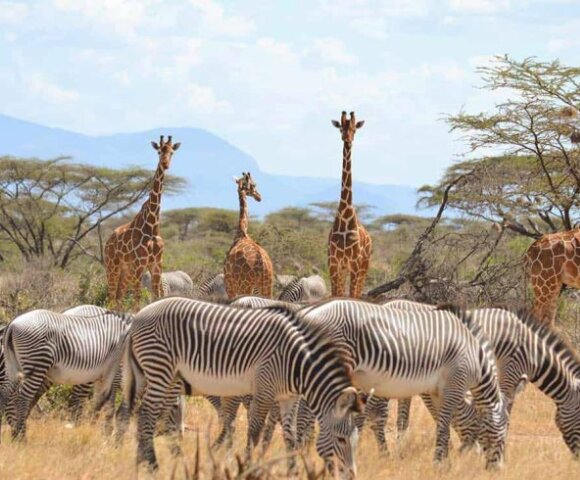
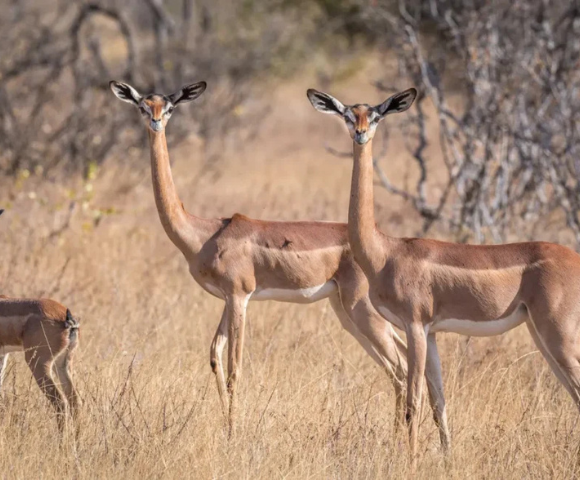
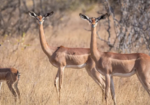
The reserve is best known for the Samburu Special Five: the Grevy’s zebra, reticulated giraffe, Beisa oryx, gerenuk, and Somali ostrich. These distinctive northern species are rarely seen elsewhere in Kenya, making Samburu an essential destination for wildlife enthusiasts hoping to experience something truly different. Alongside these unique animals, visitors can also encounter elephants, lions, leopards, cheetahs, African wild dogs, crocodiles, hippos, and more than 450 recorded bird species.
Beyond its remarkable wildlife, Samburu is a destination where nature and culture have existed side by side for generations. The reserve takes its name from the Samburu people, whose traditional pastoral way of life remains closely connected to this landscape. A visit here offers not only outstanding game viewing but also an opportunity to learn about one of Kenya’s most fascinating indigenous communities.
Whether you’re visiting northern Kenya for the first time or looking to explore beyond the country’s more familiar safari destinations, Samburu National Reserve delivers an authentic wilderness experience defined by rugged beauty, unique wildlife, and unforgettable encounters that leave a lasting impression.
Attractions in Samburu National Reserve
Wildlife
Wildlife is undoubtedly the main reason many visitors choose a Samburu safari, but what makes the reserve truly special is not simply the number of animals. It’s the opportunity to encounter species that are rarely found elsewhere in Kenya.
The reserve is internationally famous for the Samburu Special Five, namely the Grevy’s zebra, reticulated giraffe, Beisa oryx, gerenuk, and Somali ostrich. These remarkable animals have adapted perfectly to the harsh, semi-arid environment and have become the defining wildlife attraction of northern Kenya. For many safari enthusiasts, spotting all five is one of the highlights of visiting Samburu National Reserve.
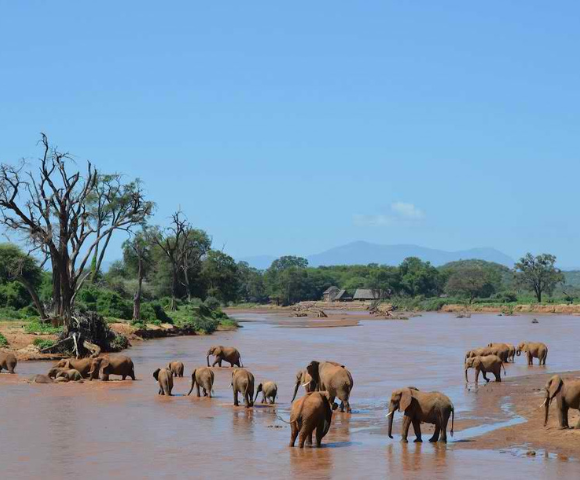
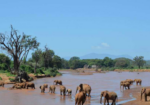
Elephants are another unforgettable feature of the reserve. Large breeding herds are frequently seen making their way to the Ewaso Ng’iro River to drink, bathe, and cool off during the heat of the day. Watching young calves play in the shallow water while older elephants stand guard is one of Samburu’s most memorable wildlife experiences.
Predator sightings are equally rewarding. Lions are regularly encountered across the reserve, while leopards often rest in the shade of riverine trees before becoming active in the cooler hours of the day. Samburu is also one of Kenya’s best places to see cheetahs, which thrive in the open bushland where they use their incredible speed to hunt antelope. Lucky visitors may even encounter the endangered African wild dog, a rare and exciting sight for any safari enthusiast.
Other commonly seen mammals include olive baboons, Grant’s gazelles, Kirk’s dik-diks, impalas, warthogs, waterbucks, hippos, and Nile crocodiles. Samburu is also home to the critically endangered pancake tortoise, one of Africa’s most unusual reptiles, which shelters among the rocky outcrops scattered throughout the reserve.
Unlike some larger parks where wildlife can be widely dispersed, Samburu’s relatively compact size and dependable water supply often result in excellent game viewing throughout the year, allowing visitors to enjoy rewarding safaris within a relatively short time.
Birdlife
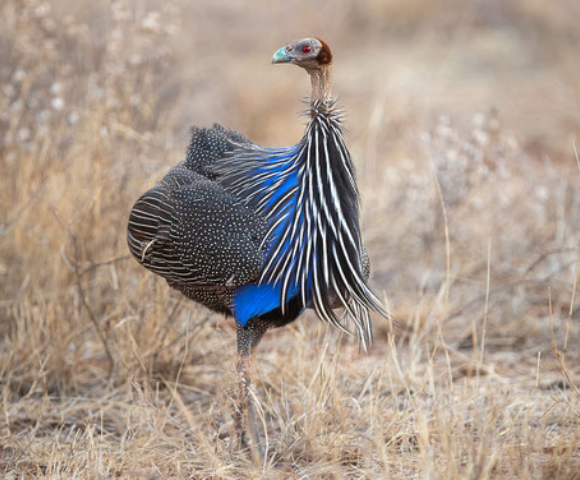
With more than 450 recorded bird species, Samburu National Reserve is one of Kenya’s finest birdwatching destinations. Even visitors who don’t consider themselves birdwatchers are often surprised by the remarkable variety of colourful and distinctive species encountered during a safari.
The reserve’s diverse habitats, ranging from riverine forests and doum palm groves to open bushland and semi-arid plains, support an impressive mix of resident and migratory birds. Every habitat offers something different, making birdwatching an activity that naturally complements game drives.
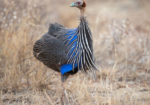
Among the most frequently seen species are vibrant bee-eaters, colourful kingfishers, hornbills, sunbirds, woodpeckers, weavers, and numerous waterbirds found along the Ewaso Ng’iro River. Raptors are particularly well represented, with martial eagles, lappet-faced vultures, Egyptian vultures, Verreaux’s eagle-owl, and other birds of prey regularly soaring overhead or perched on rocky outcrops.
Samburu is also recognised internationally for its conservation importance, providing habitat for globally significant species such as the lesser kestrel and Taita falcon. Bird enthusiasts visiting during the wetter months may enjoy even greater diversity as migratory species arrive, adding to an already exceptional birdlife experience.
Whether you’re carrying professional photography equipment or simply enjoying wildlife through binoculars, Samburu offers countless opportunities to appreciate Kenya’s remarkable avian diversity.
The Ewaso Ng’iro River
Flowing through the heart of the reserve, the Ewaso Ng’iro River is the lifeblood of Samburu National Reserve. In this hot, semi-arid landscape, the river provides a dependable source of water that sustains both wildlife and vegetation throughout the year.
Many of Samburu’s most memorable wildlife encounters take place along its banks. Elephants gather to drink and bathe, crocodiles bask in the sunshine, pods of hippos spend much of the day submerged beneath the water, and countless antelope visit to quench their thirst. During the dry season in particular, the river becomes one of the reserve’s busiest wildlife viewing areas.
The lush riverine forest that borders the water creates a striking contrast against the surrounding dry bushland and provides shelter for birds, monkeys, and elusive predators such as leopards. For photographers, the combination of wildlife, towering doum palms, reflections on the water, and dramatic northern light creates some of the reserve’s most rewarding photographic opportunities.
Scenic Landscapes
Samburu National Reserve offers scenery unlike anywhere else on Kenya’s safari circuit. Instead of vast open grasslands, visitors are greeted by rugged hills, rocky outcrops, sweeping semi-arid plains, thorny acacia woodland, and the distinctive silhouette of doum palms lining the Ewaso Ng’iro River.
Towering termite mounds rise unexpectedly from the landscape, while distant hills create dramatic backdrops for wildlife photography. The changing light throughout the day transforms the colours of the terrain, from soft golden tones at sunrise to rich reds and oranges as the sun sets over the northern wilderness.
These landscapes are more than just beautiful scenery. They create the unique environment that allows Samburu’s specialised wildlife to thrive and give every safari a distinctive character that sets it apart from destinations elsewhere in Kenya.
Samburu Culture
No visit to Samburu National Reserve is complete without learning about the people who have called this region home for generations. The reserve is named after the Samburu people, a semi-nomadic pastoral community renowned for their colourful traditional clothing, intricate beadwork, and enduring connection to the land.
A visit to a traditional Samburu village offers an opportunity to learn about their customs, livestock-based lifestyle, ceremonies, music, and craftsmanship. Many visitors find these cultural experiences just as memorable as the wildlife, providing valuable insight into a way of life that has changed little over the centuries.
The Samburu people have also played an important role in wildlife conservation across northern Kenya. Their growing involvement in community conservancies and sustainable tourism initiatives helps protect wildlife while creating meaningful benefits for local communities. Experiencing both the wildlife and the culture gives visitors a deeper appreciation of what makes Samburu National Reserve one of Kenya’s most distinctive safari destinations.
Activities & Experiences in Samburu National Reserve
Game Drives
Few safari experiences feel as authentic as an early morning game drive through Samburu National Reserve. As the first rays of sunlight illuminate the rugged landscape, wildlife begins to stir, elephants make their way towards the Ewaso Ng’iro River, and predators return from their nighttime hunts.
Morning and late afternoon game drives offer the best wildlife viewing, as cooler temperatures encourage animals to remain active. The reserve’s relatively compact size allows visitors to explore a variety of habitats in a single drive, increasing the chances of encountering everything from the Samburu Special Five to lions, leopards, cheetahs, and large elephant herds.
For travellers who want to maximise their wildlife viewing, full-day game drives provide the opportunity to explore more remote areas of the reserve while enjoying a picnic lunch surrounded by northern Kenya’s spectacular scenery.
Birdwatching
With more than 450 recorded bird species, Samburu National Reserve is a rewarding destination for both experienced birdwatchers and casual nature enthusiasts.
The reserve’s varied habitats support an impressive diversity of birds, from colourful bee-eaters and kingfishers along the Ewaso Ng’iro River to hornbills, sunbirds, weavers, and numerous birds of prey soaring above the open plains. Every game drive presents new opportunities to observe and photograph resident and migratory species, making birdwatching a natural addition to any Samburu safari.
Visitors travelling during the rainy seasons often enjoy even greater bird diversity as migratory species arrive from Europe and Asia.
Guided Nature Walks
Exploring the African bush on foot offers an entirely different perspective from a traditional game drive. Guided nature walks allow visitors to slow down and appreciate the smaller details that are often overlooked from a vehicle, including animal tracks, insects, native plants, and the fascinating ecology of the semi-arid landscape.
While walking safaris are generally offered within neighbouring community conservancies rather than inside the reserve itself, they provide an excellent opportunity to learn about the environment from experienced local guides who share their extensive knowledge of the region’s wildlife and natural history.
Cultural Visits
A visit to a traditional Samburu village offers an opportunity to experience one of Kenya’s most distinctive indigenous cultures. The Samburu people have lived alongside wildlife for generations, maintaining many of their traditional customs while continuing to adapt to the modern world.
Visitors can learn about their pastoral lifestyle, admire intricate beadwork, discover traditional homes, and gain a deeper understanding of the customs, ceremonies, and values that continue to shape Samburu society today. These cultural experiences add a meaningful human dimension to a safari and provide valuable insight into the close relationship between local communities and wildlife conservation.
Wildlife Photography
Samburu National Reserve is one of Kenya’s most rewarding destinations for wildlife photography. Its rugged scenery, distinctive wildlife, and beautiful natural light create endless opportunities for capturing memorable images.
Photographers can frame elephants crossing the Ewaso Ng’iro River, Grevy’s zebras grazing against a backdrop of rocky hills, reticulated giraffes browsing among acacia trees, or lions resting beneath the shade of doum palms. The reserve’s unique northern landscapes provide striking contrasts that are rarely found elsewhere in Kenya, giving every photograph a distinctive sense of place.
Early morning and late afternoon game drives provide the best lighting, when the soft golden light enhances the colours of the landscape and wildlife is generally at its most active.
Conservation and Sustainability
Protecting Samburu National Reserve requires close cooperation between conservation organisations, local communities, neighbouring conservancies, and the Kenya Wildlife Service (KWS). Together, these partnerships help safeguard one of Kenya’s most important ecosystems while supporting sustainable tourism across northern Kenya.
Conservation efforts focus on protecting vulnerable species such as the Grevy’s zebra, reticulated giraffe, African wild dog, and elephant through anti-poaching initiatives, habitat protection, scientific research, and ongoing wildlife monitoring. Responsible tourism also plays an important role by generating revenue that supports conservation programmes and benefits surrounding communities.
Neighbouring community conservancies have become an important part of wildlife conservation in the region, providing additional habitat for animals while creating employment opportunities and encouraging peaceful coexistence between people and wildlife. These conservancies also help maintain important wildlife corridors that allow animals to move freely beyond the reserve’s boundaries.
Visitors can further support conservation by respecting park regulations, maintaining safe distances from wildlife, avoiding litter, and choosing responsible safari operators who are committed to sustainable tourism practices. Every visit helps contribute to the long-term protection of Samburu’s remarkable wildlife and landscapes.
Best Time to Visit Samburu National Reserve
Samburu National Reserve is an excellent year-round safari destination. Thanks to its semi-arid climate and the permanent Ewaso Ng’iro River, wildlife viewing remains rewarding throughout the year, although each season offers a slightly different experience.
January–February (Short Dry Season)
The warm, dry conditions make this one of the best times for wildlife viewing. Vegetation is relatively sparse, allowing animals to be spotted more easily as they gather around the Ewaso Ng’iro River and other permanent water sources. Pleasant weather and clear skies also provide excellent conditions for photography.
March–May (Long Rains)
Seasonal rainfall transforms the reserve as grasses become greener and vegetation flourishes. While wildlife remains abundant, thicker vegetation can make some animals slightly more difficult to locate. Birdwatchers often find this season especially rewarding as migratory species are present and breeding activity increases. Visitor numbers are generally lower, making it an attractive time for travellers seeking quieter safaris and favourable accommodation rates.
June–September (Long Dry Season)
The cooler dry season offers some of the year’s finest safari conditions. Wildlife becomes increasingly concentrated around reliable water sources, making game viewing particularly rewarding. Comfortable daytime temperatures, clear visibility, and excellent road conditions also make this one of the most popular times to visit Samburu National Reserve.
October–December (Short Rains)
Short, intermittent showers refresh the landscape without significantly affecting safari activities. The reserve becomes greener, migratory birds begin arriving, and wildlife remains abundant throughout the area. Photographers often appreciate the dramatic skies, fresh scenery, and beautiful natural light that characterise this season.
Where to Stay in Samburu National Reserve
Samburu National Reserve offers accommodation to suit a wide range of travel styles and budgets, both within the reserve and in the surrounding conservancies.
Budget Accommodation
Budget camps and campsites provide simple yet comfortable accommodation for travellers looking to experience Samburu without exceeding their budget. These options offer an authentic safari atmosphere while providing convenient access to the reserve’s wildlife and attractions.
Mid-range Accommodation
Mid-range lodges and tented camps offer an excellent balance of comfort, value, and location. Many feature spacious rooms, swimming pools, restaurants, and panoramic views overlooking the surrounding wilderness, allowing guests to relax after a rewarding day on safari.
Luxury Accommodation
Luxury lodges and tented camps provide an exclusive safari experience with beautifully appointed suites, personalised service, exceptional dining, and spectacular settings overlooking the Ewaso Ng’iro River or surrounding landscapes. Many luxury properties also offer excellent opportunities to observe wildlife directly from the lodge, creating unforgettable moments even between game drives.
How to Get to Samburu National Reserve
Located in Samburu County in northern Kenya, Samburu National Reserve lies approximately 350 kilometres from Nairobi and about 43 kilometres from Isiolo, the region’s main gateway town. Visitors can easily reach the reserve by both road and air.
By Road
Travelling by road from Nairobi takes approximately five to six hours, depending on traffic and road conditions. The journey follows the scenic route through Nyeri, Nanyuki, and Isiolo before continuing to the reserve’s main entrance gates. Along the way, travellers enjoy changing landscapes as Kenya’s fertile highlands gradually give way to the rugged beauty of the country’s northern frontier.
Many visitors also combine Samburu National Reserve with destinations such as Ol Pejeta Conservancy, Aberdare National Park, Lake Nakuru National Park, or Maasai Mara National Reserve to create a longer and more diverse Kenyan safari itinerary.
By Air
For travellers wishing to reduce travel time, several scheduled flights operate daily from Wilson Airport in Nairobi to airstrips serving Samburu National Reserve. The flight takes approximately 90 minutes, offering spectacular aerial views of Kenya’s changing landscapes before arriving in the heart of the northern wilderness.
Fly-in safaris are particularly popular with travellers seeking a more comfortable and time-efficient safari experience, allowing them to spend less time travelling and more time enjoying the reserve’s exceptional wildlife and scenery.
Samburu National Reserve Safari Packages
Whether you’re planning your first safari in northern Kenya or looking to explore beyond the country’s classic safari circuit, Samburu National Reserve offers safari itineraries to suit every travel style, budget, and length of stay.
At Giorgi Safaris, we tailor every itinerary to your preferences rather than offering one-size-fits-all packages. Whether you’re looking for a short wildlife escape, a luxury honeymoon safari, a family adventure, a photography-focused safari, or a longer journey through Kenya’s most spectacular wildlife destinations, we’ll help design an itinerary that matches your interests and budget. Some of our most popular Samburu National Reserve safari packages include:
3-Day Samburu National Reserve Safari
Perfect for travellers with limited time, this safari provides an excellent introduction to one of northern Kenya’s most distinctive wildlife destinations. Over three days, you’ll enjoy multiple game drives in search of the Samburu Special Five, elephants, lions, leopards, and the reserve’s remarkable birdlife while exploring the scenic landscapes surrounding the Ewaso Ng’iro River.
4-Day Samburu National Reserve Safari
A four-day safari allows you to experience Samburu at a more relaxed pace. The additional time provides greater flexibility to explore different areas of the reserve, spend longer observing wildlife behaviour, enjoy birdwatching, visit a traditional Samburu village, and capture the reserve’s spectacular scenery through photography.
Samburu and Ol Pejeta Conservancy Safari
This itinerary combines two of Kenya’s finest wildlife conservation destinations.
After exploring the rugged landscapes and unique wildlife of Samburu National Reserve, continue to Ol Pejeta Conservancy, renowned for its successful rhino conservation programme and the opportunity to see both black and white rhinos, chimpanzees, and the Big Five. Together, these destinations offer exceptional wildlife diversity while highlighting Kenya’s commitment to conservation.
Samburu and Aberdare National Park Safari
This safari showcases two completely different sides of Kenya’s natural beauty.
From Samburu’s dry northern wilderness, continue to the cool forests, waterfalls, and mountain landscapes of Aberdare National Park. The dramatic contrast in scenery, climate, and wildlife creates a rewarding itinerary for travellers seeking a broader safari experience beyond the traditional savannah.
Samburu and Maasai Mara Safari
For travellers looking to experience two of Kenya’s most iconic safari regions, this itinerary offers an unforgettable combination.
Begin your adventure in Samburu National Reserve, where the Samburu Special Five, rugged landscapes, and authentic cultural experiences create a uniquely northern safari. Continue south to the Maasai Mara National Reserve, famous for its abundant Big Five wildlife, sweeping golden plains, and the spectacular Great Migration. Together, these destinations showcase the remarkable diversity of Kenya’s wildlife and landscapes.
Luxury Fly-in Samburu National Reserve Safari
For visitors seeking maximum comfort and minimal travel time, a fly-in safari offers the quickest way to reach Samburu from Nairobi.
Scheduled flights depart daily from Wilson Airport and arrive at nearby airstrips in approximately 90 minutes. This allows you to spend more time enjoying game drives while experiencing the comfort, personalised service, and spectacular locations of Samburu’s renowned luxury lodges and tented camps.
Every safari can be customised to include your preferred accommodation, activities, travel dates, and budget, ensuring your Samburu National Reserve adventure is designed around your individual travel goals.
FAQs About Samburu National Reserve
1. Is Samburu National Reserve worth visiting?
Yes. Samburu offers one of Kenya’s most distinctive safari experiences, combining unique northern wildlife, fewer crowds, spectacular scenery, and authentic cultural experiences that are difficult to find elsewhere.
2. What is the Samburu Special Five?
The Samburu Special Five consists of the Grevy’s zebra, reticulated giraffe, Beisa oryx, gerenuk, and Somali ostrich. These species are largely restricted to northern Kenya and are among the reserve’s biggest attractions.
3. Can I see the Big Five in Samburu National Reserve?
Although Samburu is not traditionally promoted as a Big Five destination because rhinos are absent, visitors regularly encounter elephants, lions, leopards, and buffalo in and around the reserve. The reserve is especially celebrated for its unique northern species rather than the traditional Big Five checklist.
4. How many days should I spend in Samburu National Reserve?
Three to four days is ideal for most visitors, providing ample time for game drives, birdwatching, photography, and cultural experiences while exploring the reserve at a relaxed pace.
5. When is the best time to visit Samburu National Reserve?
Samburu is a year-round safari destination. The dry seasons from January to February and June to September generally provide the best wildlife viewing, while the rainy seasons offer greener landscapes, excellent birdwatching, and fewer visitors.
6. Is Samburu National Reserve suitable for families?
Yes. Families can enjoy rewarding game drives, comfortable lodges, educational wildlife experiences, and cultural visits that appeal to both adults and children.
7. How do I get to Samburu National Reserve?
Visitors can travel by road from Nairobi in approximately five to six hours or take a scheduled flight from Wilson Airport to one of the reserve’s nearby airstrips in about 90 minutes.
8. Can Samburu National Reserve be combined with other safari destinations?
Absolutely. Samburu combines particularly well with Ol Pejeta Conservancy, Aberdare National Park, Lake Nakuru National Park, and Maasai Mara National Reserve to create a diverse Kenyan safari itinerary.
9. Is Samburu National Reserve good for birdwatching?
Yes. With more than 450 recorded bird species, Samburu is one of Kenya’s premier birdwatching destinations, attracting both experienced birders and casual wildlife enthusiasts.
10. Why is Samburu National Reserve different from Maasai Mara?
While Maasai Mara is famous for the Great Migration and expansive grasslands, Samburu offers a completely different safari experience characterised by rugged semi-arid landscapes, the Samburu Special Five, the Ewaso Ng’iro River, and authentic Samburu culture. Visiting both destinations provides an excellent opportunity to experience Kenya’s remarkable ecological diversity.
Conclusion: Why Visit Samburu National Reserve?
Samburu National Reserve is one of Kenya’s most distinctive safari destinations, offering experiences that simply cannot be found elsewhere in the country. From the remarkable Samburu Special Five and thriving elephant populations to the life-giving Ewaso Ng’iro River and the rich traditions of the Samburu people, every visit reveals another side of Kenya’s extraordinary natural heritage.
Whether you’re watching elephants gather along the river at sunset, photographing a reticulated giraffe against a backdrop of rugged hills, or learning about the centuries-old traditions of the Samburu community, you’ll quickly discover why this remarkable reserve leaves such a lasting impression on those who visit.
For travellers seeking a quieter, more authentic safari that combines exceptional wildlife, breathtaking scenery, and meaningful cultural experiences, Samburu National Reserve promises an unforgettable adventure in the heart of northern Kenya.
Start Planning Your Samburu National Reserve Safari
Whether you’re planning a short Samburu safari, combining it with Ol Pejeta, Aberdare, or Maasai Mara, or creating a longer journey through Kenya’s most spectacular wildlife destinations, we’re here to help you plan every detail with confidence.
At Giorgi Safaris, we create tailor-made Kenya safari holidays designed around your interests, travel style, and budget. From selecting the right accommodation to planning unforgettable wildlife experiences, our experienced team is committed to helping you make the most of your time in one of Kenya’s most remarkable safari destinations.
Get in touch with Giorgi Safaris today and let us help you plan a Samburu National Reserve safari that you’ll remember for a lifetime.