Overview
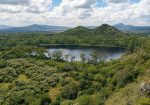
A Lake Naivasha safari offers a refreshing change of pace from the classic game-drive experience. Set within Kenya’s Great Rift Valley, Lake Naivasha is a beautiful freshwater lake surrounded by papyrus wetlands, acacia woodland and open landscapes where wildlife and birdlife thrive. The lake’s calm waters, dramatic Rift Valley scenery and proximity to Nairobi make it an appealing stop for travellers looking for nature, relaxation and outdoor adventure in one destination.
What makes Lake Naivasha particularly special is the variety of ways to experience it. A boat ride across the lake brings you close to hippos resting in the water and waterbirds along the shoreline, while a visit to Crescent Island allows you to leave the vehicle and walk among giraffes, zebras, wildebeest, impalas and other plains game. Around the lake, birdwatchers can look for fish eagles, pelicans, cormorants, herons, kingfishers and many other resident and migratory species. Lake Naivasha is recognised as an internationally important wetland and supports a remarkable diversity of waterbirds and large mammals, including hippos.
The lake sits in the eastern, or Gregory, Rift Valley and forms part of a high-altitude landscape shaped by the region’s volcanic and geological history. Its surrounding wetlands are particularly important to the ecosystem, providing habitat for birds, fish and other wildlife. The lake is also unusual in being a freshwater lake without a visible surface outlet, with its water maintained through underground seepage.
For travellers, however, it is the experience rather than the geology that makes Naivasha memorable. You can spend the morning on the water, watch an African fish eagle swoop towards the lake, walk through open grassland among giraffes on Crescent Island, or head towards nearby Hell’s Gate for hiking and cycling beneath towering cliffs and dramatic volcanic formations.
Its convenient location also makes Lake Naivasha particularly useful within a wider Kenya itinerary. It can be visited as a short escape from Nairobi or combined with destinations such as Lake Nakuru and Hell’s Gate, making it possible to experience several very different sides of the Great Rift Valley within one journey.
Attractions at Lake Naivasha
Lake Naivasha
The lake itself is the heart of the destination. Its freshwater environment, papyrus-fringed shores and surrounding acacia woodland create a landscape that feels distinctly different from Kenya’s open savannah parks.
One of the best ways to appreciate it is from the water. As a boat moves quietly across the lake, you may see hippos surfacing nearby while fish eagles, pelicans, cormorants, herons and kingfishers gather around the shoreline. The changing light across the water and surrounding Rift Valley landscapes also makes Lake Naivasha an especially rewarding destination for photography.
The lake is an important wetland ecosystem as well as a place for recreation and tourism. Ramsar information identifies it as a freshwater wetland supporting diverse waterbirds and large mammals, while also recognising the ecological pressures created by the human activities surrounding the lake. For a safari traveller, that combination of scenery, wildlife and water is what sets Lake Naivasha apart.
Crescent Island
Crescent Island is one of Lake Naivasha’s most distinctive wildlife experiences. Rather than watching animals from a safari vehicle, visitors can explore the sanctuary on foot with a guide, walking through open grassland and among wildlife. Giraffes browse among the trees while zebras, wildebeest, impalas, gazelles and waterbucks move across the open landscape. Birdlife is also abundant, and the shores of the island provide views towards the surrounding lake and Rift Valley scenery.
The walking experience is one of the main reasons to include Crescent Island in a Lake Naivasha itinerary. It provides a closer and more immersive way to experience wildlife, while offering a welcome contrast to the vehicle-based game drives that form the foundation of many Kenyan safaris.
As with any wildlife walking experience, visitors should follow the guidance of their local guide and maintain appropriate awareness of the animals around them.
Hell’s Gate National Park
Just beyond Lake Naivasha lies Hell’s Gate National Park, one of the area’s most adventurous attractions. The landscape changes dramatically here, with towering cliffs, deep water-gouged gorges, volcanic rock formations and geothermal features creating a setting unlike the traditional open plains of the Maasai Mara or Amboseli.
Hell’s Gate is particularly suited to travellers who want to be active. Hiking and cycling are among the park’s signature experiences, while rock climbing and nature walks provide further ways to explore its unusual landscape. Kenya Wildlife Service also highlights Fischer’s Tower, the Obsidian Caves, panoramic viewpoints, geothermal features and wildlife sightings among the park’s attractions. The park’s open terrain supports wildlife including zebra, giraffe, buffalo, eland, hartebeest and gazelles, while its dramatic geological scenery provides an excellent setting for photography.
For visitors staying around Lake Naivasha, Hell’s Gate can therefore add an active outdoor dimension to an otherwise relaxed lakeside experience.
Birdlife
Lake Naivasha is one of Kenya’s important birdwatching destinations, with more than 400 bird species recorded in the wider lake ecosystem. The freshwater environment, papyrus wetlands, open shores and surrounding woodland create a variety of habitats for both resident and migratory birds.
Fish-eating birds are particularly well suited to the lake. African fish eagles, cormorants, pelicans, herons and kingfishers can be encountered around the water, while the surrounding woodland and grassland support many other species.
The lake also provides habitat for migratory birds, making birdwatching interesting at different times of the year. For dedicated birders, the combination of open water, wetlands and surrounding terrestrial habitats means there is much more to look for than birds sitting directly on the lake.
Even travellers who do not consider themselves birdwatchers can appreciate the experience. An African fish eagle calling from a lakeside tree or dropping towards the water is one of those moments that can turn an ordinary stop into a memorable safari experience.
Elsamere
On the shores of Lake Naivasha, Elsamere offers a different perspective on the destination through the story of Joy and George Adamson and their conservation legacy. The property was once the home of the Adamsons, who became internationally known through the story of Elsa, the orphaned lioness they raised and later returned to the wild. Joy Adamson also carried out painting, writing and conservation work from the property, giving Elsamere an important place in Kenya’s conservation history.
Visitors can learn more about the Adamsons through the museum and the material preserved there, including photographs, artwork and items associated with their lives and work. The experience adds a cultural and historical dimension to a Lake Naivasha safari that goes beyond wildlife viewing.
For travellers interested in Kenya’s conservation history, Elsamere can be a particularly meaningful addition to a Naivasha itinerary.
Lake Oloidien
Southwest of Lake Naivasha is the smaller Lake Oloidien, separated from Lake Naivasha by a narrow strip of land. Its quieter surroundings provide another side of the Naivasha landscape, with acacia woodland, wildlife and birdlife around the shores.
Lake Oloidien is particularly associated with birdlife, including greater and lesser flamingos, while the surrounding landscape offers opportunities for quieter exploration, photography and wildlife observation.
Crater Lake Game Sanctuary
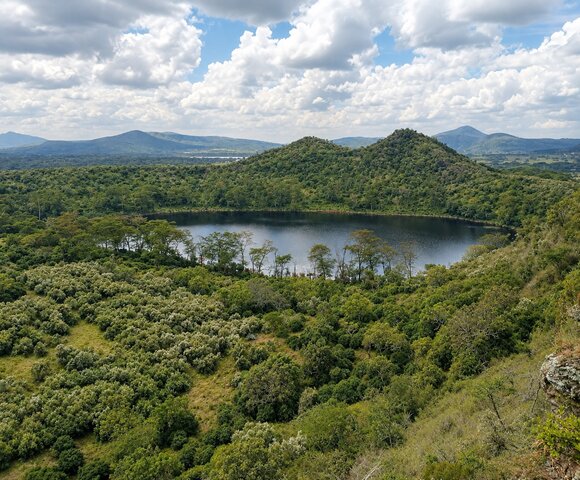
Crater Lake Game Sanctuary is a private wildlife reserve centred around Lake Sonachi, also known as Crater Lake, a small jade-green volcanic lake occupying the floor of an extinct volcanic crater. Acacia vegetation and open plains surround the crater, creating a scenic setting for wildlife viewing and walking.
The sanctuary is also known for its birdlife, with around 150 species recorded, while giraffes, zebras and other plains game inhabit the surrounding landscape. Its walking trails and distinctive crater setting make it particularly appealing to travellers who enjoy combining wildlife with hiking and scenic exploration.
Activities & Experiences at Lake Naivasha
Lake Naivasha offers a different kind of safari experience. Instead of spending the entire day inside a safari vehicle, visitors can take to the water, walk among wildlife, explore volcanic landscapes and spend time observing some of Kenya’s most interesting birdlife. That variety makes Naivasha particularly appealing for couples, families, photographers, birdwatchers and travellers who want to combine wildlife with more active outdoor experiences.
Boat Safaris on Lake Naivasha
A boat safari is one of the most memorable ways to experience Lake Naivasha. As you move quietly across the freshwater lake, hippos can often be seen resting in the water while fish eagles, pelicans, cormorants, herons and other waterbirds gather around the shoreline. The boat also provides a different perspective of the surrounding acacia woodland, papyrus wetlands and Great Rift Valley scenery.
For photographers, the experience offers opportunities to capture wildlife, reflections on the water and birds in flight, particularly during the quieter hours of the day.
Boat trips commonly last around one to two hours, although the exact duration depends on the operator and itinerary. Weather conditions should also be considered, as strong afternoon winds can make the lake rough and affect boat operations.
Walking Safari on Crescent Island
For many visitors, the opportunity to walk among wildlife is the highlight of a Lake Naivasha safari. Crescent Island offers a guided walking experience through open grassland where giraffes, zebras, wildebeest, impalas, gazelles and waterbucks can be encountered. Without the confines of a safari vehicle, visitors can appreciate the animals from a completely different perspective and take more time to observe their behaviour.
The walking experience is especially appealing to photographers and families, as well as travellers who want something more immersive than a conventional game drive.
Walking safaris are conducted with a guide, and visitors should always follow the guide’s instructions regarding distance, animal behaviour and movement through the sanctuary.
Birdwatching
Birdwatching at Lake Naivasha can be rewarding for both experienced birders and travellers who simply enjoy seeing wildlife in its natural surroundings.
The lake and its surrounding habitats support a wide variety of waterbirds and terrestrial species. Fish eagles, pelicans, cormorants, herons, kingfishers, egrets, storks and other birds can be encountered around the lake, while the surrounding woodland and grassland support many additional species. The wider Lake Naivasha ecosystem has recorded more than 400 bird species.
One of the most memorable sightings can be an African fish eagle diving towards the water to catch a fish. For photographers, the combination of birds, open water and changing light provides excellent opportunities throughout the day.
Migratory birds also add seasonal variety to the experience, with the original article noting migrant species particularly between October and March.
Hiking and Cycling at Hell’s Gate
Lake Naivasha is also a gateway to one of Kenya’s most distinctive adventure landscapes. At nearby Hell’s Gate National Park, travellers can explore dramatic cliffs, gorges and volcanic formations on foot or by bicycle. Unlike most Kenyan national parks, where wildlife viewing is primarily vehicle-based, Hell’s Gate provides opportunities for more active exploration.
Cycling beneath the cliffs can be particularly enjoyable for travellers who want to combine scenery, wildlife and physical activity in the same outing. Hiking trails and geological features provide further opportunities to explore the park.
Kenya Wildlife Service identifies hiking, cycling, rock climbing and nature walks among the park’s activities. For an itinerary that combines Lake Naivasha with Hell’s Gate, the result is a useful balance between a peaceful lakeside experience and a more adventurous day outdoors.
Photography
Lake Naivasha offers photographers a remarkably varied setting. The lake provides wide open views and reflections, while papyrus wetlands, acacia woodland and surrounding hills create different foregrounds and backgrounds. Wildlife such as hippos, giraffes and zebras can be photographed alongside the landscape, while birdlife provides opportunities for action and close-up photography.
Crescent Island is particularly interesting because walking allows photographers to work at a different pace and observe wildlife without remaining inside a vehicle.
Early morning and late afternoon can provide softer light and more atmospheric conditions, although wildlife and bird activity can vary according to weather and season.
Elsamere and the Born Free Story
A visit to Elsamere provides an opportunity to explore an important chapter in Kenya’s conservation history.
The former home of Joy and George Adamson is associated with the story of Elsa, the lioness made famous through Born Free. Visitors can explore the museum and learn about the Adamsons’ work, while the property also offers an opportunity to experience the quieter side of Lake Naivasha.
For travellers interested in conservation, history and Kenya’s connection with wildlife storytelling, Elsamere adds depth to a safari that might otherwise focus entirely on wildlife sightings.
Exploring the Smaller Lakes
Travellers with more time can explore the smaller lakes and landscapes around the south-western side of Lake Naivasha. Lake Oloidien and Lake Sonachi, also known as Crater Lake, offer a quieter side of the destination, with birdlife, wildlife and scenic landscapes away from the main lake.
Lake Oloidien is particularly interesting for birdwatching, while Lake Sonachi lies within Crater Lake Game Sanctuary, where walking trails lead through the surrounding wildlife sanctuary and around the volcanic crater setting. Their acacia-fringed landscapes provide opportunities for photography, wildlife observation and peaceful exploration.
These lesser-known areas are well suited to travellers who want to go beyond the main Lake Naivasha shoreline and experience some of the quieter landscapes around the wider destination.
Conservation & Sustainability
Lake Naivasha is much more than a scenic stop on the Great Rift Valley route. It is an important freshwater ecosystem supporting birds, mammals, fish and the communities and economic activities that depend upon the lake.
The lake and its surrounding wetland are recognised internationally under the Ramsar Convention as a Wetland of International Importance. Its ecological importance comes from the combination of open freshwater, papyrus wetlands and surrounding terrestrial habitats that support a wide range of species. At the same time, Lake Naivasha is a landscape where conservation and human activity exist side by side. Agriculture, horticulture, fishing, tourism and settlements around the lake all have an influence on the ecosystem. This makes responsible tourism particularly important.
Visitors can contribute by choosing responsible tourism operators, following guidance during boat and wildlife experiences, avoiding littering, respecting wildlife and supporting conservation-oriented businesses and community initiatives. Nearby protected areas and wildlife sanctuaries also contribute to conservation and eco-tourism in the wider Naivasha landscape. Hell’s Gate National Park, for example, protects an important area of wildlife habitat and distinctive volcanic scenery, while private wildlife areas such as Crescent Island provide additional opportunities for conservation and responsible wildlife tourism.
For travellers, understanding this relationship adds another dimension to the experience. A boat ride across Lake Naivasha is not simply a scenic excursion. It takes place within a living wetland ecosystem whose health matters to wildlife, local communities and the wider Great Rift Valley.
Best Time to Visit Lake Naivasha
Lake Naivasha can be visited throughout the year, but the experience can vary with the seasons. The drier months generally make outdoor activities such as walking, cycling and boating more comfortable, while the rainy seasons bring greener landscapes and can create attractive conditions for photography.
Weather can change quickly around the lake, and afternoon winds can sometimes affect boating conditions. Travellers combining Naivasha with other destinations should therefore consider the weather alongside the activities they want to do and the wider safari itinerary.
January to February | Short Dry Season
Generally drier conditions make this a good period for outdoor activities, including walking, cycling and boat rides.
March to May | Long Rains
The landscape becomes greener, creating attractive conditions for photography and scenery. Wet weather can, however, make some roads and outdoor activities more challenging.
June to September | Long Dry Season
The generally drier conditions can be favourable for exploring the lake, walking and combining Naivasha with other safari destinations.
October to December | Short Rains
The short rains bring greener scenery and seasonal changes while still allowing year-round activities, although travellers should be prepared for occasional wet conditions.
Where to Stay in Lake Naivasha
Lake Naivasha has a broad selection of accommodation, ranging from budget camps and simple lodges to comfortable mid-range properties and luxury lakeside retreats. The right choice depends on your budget, preferred level of comfort and the experiences you want to include.
Budget Accommodation
Budget accommodation around Lake Naivasha can suit travellers looking for a comfortable base without committing a large proportion of their safari budget to accommodation. Many budget properties provide straightforward rooms or camping facilities, with access to the lake and surrounding attractions depending on their location.
These options can be particularly useful for backpackers, students, solo travellers, families travelling on a budget, and travellers combining Naivasha with several other destinations.
For a multi-destination Kenya safari, staying at a good-value property can also help keep the overall itinerary affordable while leaving more of the budget available for activities and additional destinations.
Mid-range Accommodation
Mid-range lodges, hotels and camps around Lake Naivasha provide a balance between comfort, location and price. Depending on the property, travellers may find landscaped grounds, restaurants, swimming pools, Wi-Fi, family-friendly facilities and views towards the lake or surrounding countryside.
These properties are particularly suitable for couples and families who want a comfortable safari base while keeping the overall cost of their trip under control.
For many travellers, mid-range accommodation also works well when Naivasha forms part of a longer circuit including Lake Nakuru, Maasai Mara or other destinations.
Luxury Accommodation
Luxury accommodation around Lake Naivasha places greater emphasis on setting, privacy, service and the overall experience.
Lakeside properties can offer attractive gardens, spacious rooms or cottages, quality dining and peaceful surroundings where guests can slow down after days of travelling or wildlife activities.
For honeymooners, couples and travellers seeking a more leisurely safari, a luxury lakeside stay can make Naivasha feel less like a transit stop and more like a destination in its own right.
The best accommodation choice ultimately depends on the kind of safari you are planning. A traveller passing through on a short itinerary may prioritise convenience and location, while someone spending two or three nights around the lake may prefer accommodation that makes the lakeside setting part of the experience.
How to Get to Lake Naivasha
Lake Naivasha is one of the more accessible safari destinations in Kenya, particularly for travellers starting their journey in Nairobi. Its location within the Great Rift Valley also makes it convenient to combine with other destinations in the region.
By Road
Lake Naivasha is approximately 95 km northwest of Nairobi, with the journey generally taking around two hours by road, depending on traffic, stops and the exact location of your accommodation. The journey from Nairobi follows the Nairobi-Nakuru corridor before continuing towards the lake. One of the highlights along the way is the descent into the Great Rift Valley, where viewpoints provide expansive views across the escarpment and surrounding landscapes.
For travellers beginning a Kenya safari in Nairobi, travelling by road allows Lake Naivasha to become part of the journey rather than simply a destination at the end of it.
Naivasha can also be conveniently combined by road with destinations such as Lake Nakuru, Hell’s Gate National Park and other parts of the Great Rift Valley.
By Air
Travellers can also reach the Naivasha area by air from Nairobi’s Wilson Airport. Naivasha is served by Naivasha Airport, and flight options can be particularly useful for travellers incorporating the destination into a more extensive safari itinerary. Depending on the flight schedule and the location of your accommodation, transfers may be arranged from the airstrip to your lodge or camp.
For most short trips from Nairobi, however, road travel remains a practical way to reach Lake Naivasha and has the added advantage of allowing travellers to experience the changing scenery of the Great Rift Valley along the way.
Lake Naivasha Safari Packages
Lake Naivasha can be visited as a short excursion from Nairobi or included in a wider Kenya safari. The best itinerary depends on how much time you have and whether you want to focus on the lake itself, combine it with nearby attractions, or use it as a scenic change of pace between larger safari destinations.
A Lake Naivasha and Lake Nakuru combination is particularly practical because the two destinations are relatively close and offer contrasting experiences. Naivasha brings boat rides, hippos, birdlife and walking experiences, while Lake Nakuru adds traditional game drives and opportunities to see rhinos and other wildlife.
Travellers interested in outdoor adventure can combine Naivasha with Hell’s Gate, while longer itineraries can incorporate the lake into journeys towards the Maasai Mara, Amboseli, Samburu and other major safari destinations.
1-Day Lake Naivasha Safari
A one-day Lake Naivasha safari is well suited to travellers with limited time in Kenya. A typical day can include the journey from Nairobi through the Great Rift Valley, a boat ride on Lake Naivasha and a visit to Crescent Island for a guided walking experience among wildlife.
It is a practical option for travellers who want to experience the lake without adding an overnight stay to their itinerary.
2-Day Lake Naivasha Safari
Spending two days around Lake Naivasha allows the experience to be less rushed. Depending on your interests, the itinerary can combine a boat safari with Crescent Island, Hell’s Gate, birdwatching or other attractions around the lake.
An overnight stay also gives travellers more opportunity to enjoy the lakeside setting rather than treating Naivasha simply as a daytime excursion from Nairobi.
3-Day Lake Naivasha & Lake Nakuru Safari
Combining Lake Naivasha with Lake Nakuru creates a practical short safari circuit from Nairobi. The itinerary can begin with the Great Rift Valley scenery and experiences around Lake Naivasha, including a boat ride and Crescent Island, before continuing to Lake Nakuru for game drives and wildlife viewing.
This combination works particularly well for travellers who want to experience both lake-based activities and a more traditional national park safari within a short itinerary.
Lake Naivasha & Hell’s Gate Safari
This combination is particularly suited to active travellers. A day around Lake Naivasha can be combined with hiking or cycling at Hell’s Gate, allowing visitors to experience the lake’s tranquil environment alongside the dramatic cliffs, gorges and volcanic landscapes of the national park.
It can work particularly well for couples, families with older children and travellers who want some physical activity alongside traditional wildlife experiences.
Lake Naivasha in a Longer Kenya Safari
Lake Naivasha can also form part of a longer safari circuit. Travellers may combine it with the Maasai Mara for classic savannah wildlife viewing, Amboseli for elephants and Mount Kilimanjaro views, or Samburu for a very different semi-arid landscape and wildlife experience.
In a longer itinerary, Naivasha can provide an important change of pace between more intensive game-drive destinations, particularly when the itinerary includes several national parks and reserves.
Frequently Asked Questions About Lake Naivasha
1. Is Lake Naivasha worth visiting on a Kenya safari?
Yes, particularly if you want to experience something different from a conventional game-drive safari. Lake Naivasha combines freshwater scenery, boat rides, birdlife, hippos, walking among wildlife and access to Hell’s Gate National Park.
2. What can you see at Lake Naivasha?
Wildlife around the lake and its surrounding areas includes hippos, giraffes, zebras, wildebeest, impalas, gazelles, waterbucks and other plains game. The lake is also well known for its birdlife, with hundreds of species recorded in the wider ecosystem.
3. Can you see hippos at Lake Naivasha?
Hippos are one of the lake’s most recognisable animals and can often be seen resting in the water or close to the shoreline. Boat excursions provide one of the most enjoyable ways to observe them, although sightings can never be guaranteed.
4. Can you walk among wildlife at Lake Naivasha?
Yes. Crescent Island offers guided walking experiences where visitors can explore the sanctuary on foot among animals such as giraffes, zebras, wildebeest, impalas and gazelles. Visitors should always follow the instructions of their guide during a walking safari.
5. What is the best thing to do at Lake Naivasha?
There is no single experience that suits every traveller. A boat safari is one of the destination’s signature experiences, while Crescent Island is particularly appealing to visitors who want to walk among wildlife. Birdwatching, photography and excursions to Hell’s Gate provide further options.
6. How many days do you need at Lake Naivasha?
One day can be enough for a boat ride and Crescent Island visit. Two days allow a more relaxed experience and make it easier to include Hell’s Gate or other attractions. Travellers combining Naivasha with Lake Nakuru can also build the two destinations into a three-day safari.
7. Can I visit Lake Naivasha from Nairobi?
Yes. Lake Naivasha is approximately 95 km northwest of Nairobi and is accessible by road in roughly two hours, depending on traffic and stops. This makes it suitable for both day trips and overnight safari itineraries.
8. Is Lake Naivasha good for birdwatching?
Yes. The lake’s freshwater environment, wetlands, woodland and surrounding habitats support a wide range of resident and migratory birds. Fish eagles, pelicans, cormorants, herons, kingfishers and many other species can be encountered around the lake.
9. Can Lake Naivasha be combined with Lake Nakuru?
Yes. The two destinations are particularly convenient to combine because of their location within the Great Rift Valley. A combined itinerary allows travellers to experience Naivasha’s boat and walking activities alongside Lake Nakuru’s traditional game-drive experience.
10. What is the best time to visit Lake Naivasha?
Lake Naivasha can be visited throughout the year, with the drier months generally providing favourable conditions for outdoor activities such as walking, cycling and boating. The rainy seasons bring greener scenery and can be rewarding for photography, although wet conditions may affect some activities and road access. The best time ultimately depends on your priorities, including weather, planned activities and the other destinations included in your Kenya safari itinerary.
Conclusion: Why Visit Lake Naivasha?
Lake Naivasha offers a side of Kenya that is easy to overlook when planning a safari around the country’s famous national parks and reserves.
Here, the experience is shaped by water as much as wildlife. Hippos surface beside boats, fish eagles watch from the trees, and hundreds of bird species inhabit the lake and its surrounding wetlands. On Crescent Island, visitors can leave the safari vehicle behind and walk among giraffes, zebras, wildebeest and other plains game.
Beyond the lake itself, the dramatic cliffs and volcanic landscapes of Hell’s Gate add an adventurous dimension, while places such as Elsamere provide an opportunity to explore Kenya’s conservation heritage.
Its accessibility from Nairobi makes Lake Naivasha particularly useful for shorter safaris, while its location within the Great Rift Valley allows it to fit naturally into longer itineraries.
Whether you have a single day or several nights to spare, Lake Naivasha can add something different to a Kenya safari: time on the water, wildlife on foot, remarkable birdlife and the freedom to experience the Great Rift Valley at a slower pace.
Start Planning Your Lake Naivasha Safari
Whether you’re planning a short Lake Naivasha escape, combining the lake with Lake Nakuru or Hell’s Gate, or incorporating it into a longer Kenya safari, Giorgi Safaris can help you plan an itinerary around your interests, travel dates, preferred accommodation and budget.
From peaceful boat rides across the lake and walking among wildlife on Crescent Island to exploring the dramatic landscapes of Hell’s Gate, Lake Naivasha offers a refreshing change of pace within a Kenya safari.
Get in touch with Giorgi Safaris today and let us help you plan your Lake Naivasha safari and discover one of Kenya’s most scenic Great Rift Valley destinations.