Overview
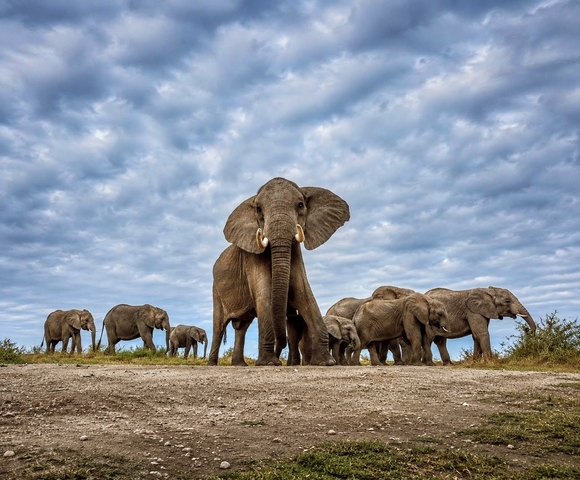
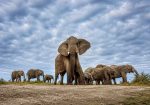
Perhaps no destination captures the classic African safari quite like Amboseli National Park. Famous for its magnificent elephant herds wandering beneath the snow-capped peaks of Mount Kilimanjaro, the park delivers one of Kenya’s most iconic safari experiences. From vast open plains and shimmering seasonal wetlands to unforgettable wildlife encounters and spectacular photography opportunities, every game drive reveals why it has earned its reputation as one of Kenya’s premier safari destinations.
Covering approximately 392 square kilometres in southern Kenya near the Tanzania border, Amboseli forms part of a much larger ecosystem that extends into surrounding Maasai group ranches and wildlife conservancies. Although relatively compact compared to parks such as Tsavo East, its open landscapes and permanent water sources make wildlife remarkably easy to spot throughout much of the year.
The park is internationally renowned for its large population of free-ranging African elephants, including some of the continent’s biggest tuskers. Lions, cheetahs, spotted hyenas, buffaloes, giraffes, zebras, wildebeest, hippos, and more than 400 bird species also thrive here, while the seasonal swamps fed by underground water from Mount Kilimanjaro create a rich habitat that supports wildlife even during prolonged dry periods.
Beyond its remarkable wildlife, Amboseli offers something few destinations can match. Watching elephants cross the open plains as Africa’s highest mountain rises behind them is a scene that has come to symbolise the very essence of an African safari. Combined with the rich traditions of the Maasai people and some of Kenya’s finest safari lodges, Amboseli promises an unforgettable experience for first-time visitors and seasoned safari travellers alike.
Attractions in Amboseli National Park
Wildlife
Amboseli National Park is one of Kenya’s finest destinations for wildlife viewing, thanks to its open plains, scattered acacia woodland, and permanent wetlands that attract animals throughout the year. The sparse vegetation often allows visitors to observe wildlife from considerable distances, making game drives especially rewarding.
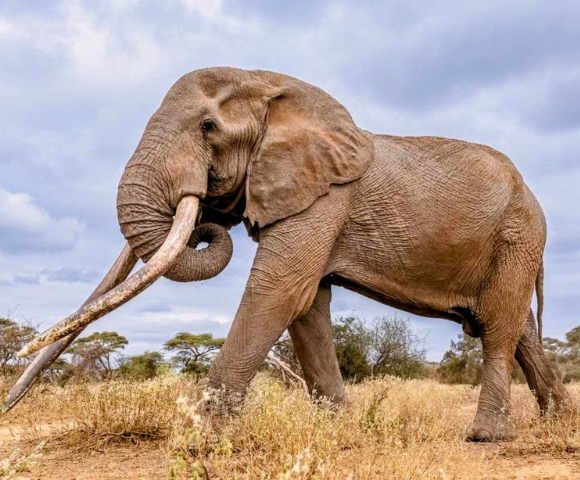
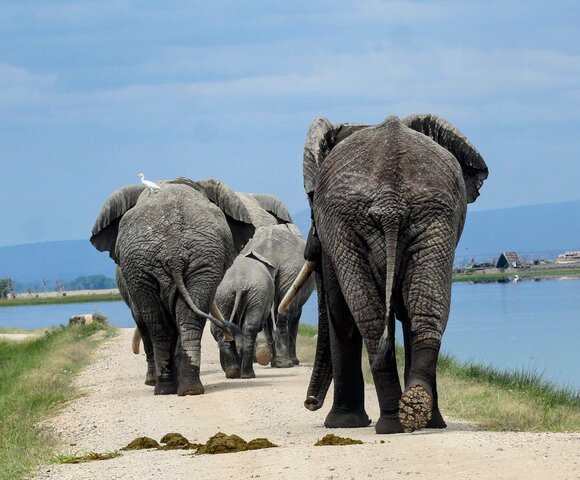
The park is best known for its exceptional elephant population. Amboseli’s elephants are among the most studied in Africa, and visitors frequently encounter large family herds led by experienced matriarchs, along with magnificent bulls carrying some of Kenya’s largest ivory tusks. Watching these gentle giants move gracefully across the plains with Mount Kilimanjaro towering behind them is one of Africa’s most unforgettable wildlife spectacles.
Predators are regularly encountered throughout the park. Lions are commonly seen resting beneath acacia trees or stalking prey across the grasslands, while cheetahs use the open plains to their advantage when hunting gazelles and young wildebeest. Spotted hyenas become increasingly active during the early morning and evening, and although more elusive, leopards occasionally appear in the riverine woodlands.
Amboseli also supports healthy populations of buffaloes, plains zebras, blue wildebeest, Masai giraffes, elands, impalas, Grant’s gazelles, Thomson’s gazelles, warthogs, and waterbucks. Around the swamps, visitors often spot hippos partially submerged in the water while elephants, buffaloes, and numerous antelope species gather nearby to drink, creating excellent wildlife viewing throughout the day.
Although black rhinos no longer occur naturally within Amboseli National Park, the remarkable diversity of wildlife and consistently rewarding game viewing firmly establish Amboseli as one of Kenya’s premier safari destinations.
Mount Kilimanjaro
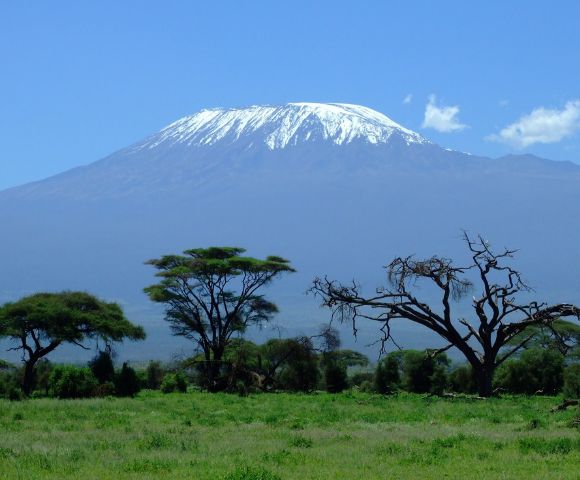
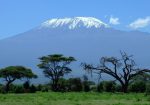
No feature defines Amboseli quite like Mount Kilimanjaro. Rising to 5,895 metres, Africa’s highest mountain forms a breathtaking backdrop that has become one of the world’s most iconic safari images.
Although the mountain itself lies just across the border in Tanzania, Amboseli provides some of its finest viewpoints. On clear mornings, the snow-capped summit rises dramatically above the plains, creating unforgettable scenes as elephants, giraffes, zebras, and other wildlife move across the foreground.
Because clouds often gather around Kilimanjaro later in the day, early morning game drives usually provide the best opportunity to enjoy uninterrupted views and capture spectacular photographs. For many visitors, witnessing sunrise over Amboseli with the mountain illuminated in soft golden light becomes one of the defining memories of their entire Kenyan safari.
Observation Hill
One of Amboseli’s most popular viewpoints is Observation Hill, a gentle volcanic outcrop that offers sweeping panoramic views across much of the park.
Unlike most safari destinations where visitors remain inside their vehicles, Observation Hill provides one of the few places where guests can safely leave the vehicle and appreciate the landscape on foot. From the summit, you’ll enjoy spectacular views of the surrounding plains, seasonal lakes, wetlands, and distant herds of wildlife, while Mount Kilimanjaro often dominates the southern horizon on clear days.
Observation Hill is also an excellent location for photography, particularly during the early morning and late afternoon when the changing light enhances Amboseli’s remarkable scenery.
Seasonal Swamps and Wetlands
Despite Amboseli’s dry climate, the park’s extensive wetlands create a remarkable oasis that supports wildlife throughout the year.
These swamps are fed by underground streams originating from the melting snow and glaciers of Mount Kilimanjaro. As the water emerges through natural springs, it nourishes lush vegetation that attracts elephants, buffaloes, hippos, waterbucks, and countless other animals, especially during the dry season when water becomes scarce elsewhere.
Visitors often spend extended periods watching wildlife gather around these permanent water sources, where dramatic interactions between different species unfold against one of Kenya’s most beautiful landscapes.
Birdlife
Amboseli National Park is equally rewarding for bird enthusiasts, with more than 400 recorded bird species found across its wetlands, grasslands, acacia woodland, and seasonal lakes.
Even visitors who don’t consider themselves birdwatchers are often surprised by the colourful variety of species encountered during a game drive. Large flocks of pelicans and flamingos occasionally gather on the seasonal lakes when water levels are favourable, while herons, egrets, storks, spoonbills, ibises, kingfishers, and numerous waterbirds frequent the swamps throughout the year.
Birds of prey are also well represented, with martial eagles, African fish eagles, tawny eagles, secretary birds, vultures, and several owl species regularly observed across the park. During the migratory season, bird diversity increases further, making Amboseli one of Kenya’s outstanding birdwatching destinations.
Maasai Culture
Amboseli National Park lies within the traditional homeland of the Maasai people, whose rich cultural heritage has shaped this landscape for generations.
Many visitors choose to include a visit to a traditional Maasai village, where they can gain insight into local customs, architecture, traditional dress, livestock keeping, and daily life. These cultural experiences offer an opportunity to learn how the Maasai have maintained a close relationship with the surrounding environment while preserving traditions that continue to define this part of Kenya.
When undertaken respectfully, cultural visits not only enrich the safari experience but also contribute directly to local community livelihoods and conservation initiatives.
Landscapes and Photography
Amboseli is widely regarded as one of Africa’s greatest wildlife photography destinations.
Its open plains, scattered acacia trees, seasonal marshes, reflective wetlands, and the magnificent backdrop of Mount Kilimanjaro create an extraordinary variety of photographic opportunities throughout the day. The park’s relatively flat terrain allows photographers to capture dramatic long-distance compositions, while the abundance of approachable wildlife makes close-up photography equally rewarding.
Whether you’re photographing an elephant family crossing the plains beneath Kilimanjaro, lions resting in the golden grass, or flocks of birds feeding in the wetlands at sunset, Amboseli consistently delivers images that define the magic of an African safari.
Activities & Experiences in Amboseli National Park
Game Drives
Few safari experiences are as memorable as watching Amboseli slowly awaken beneath the towering silhouette of Mount Kilimanjaro. As the first rays of sunlight illuminate the plains, elephants emerge from the swamps, predators return from their night hunts, and herds of zebras and wildebeest begin grazing across the open grasslands.
Morning and afternoon game drives offer the best opportunities to encounter Amboseli’s remarkable wildlife. Thanks to the park’s open terrain and relatively sparse vegetation, animals are often easier to locate than in many of Kenya’s more densely vegetated parks. Visitors regularly encounter elephants, buffaloes, lions, giraffes, cheetahs, spotted hyenas, zebras, wildebeest, and numerous antelope species during a single game drive.
For photographers and wildlife enthusiasts, full-day game drives provide additional opportunities to explore different areas of the park while observing changing wildlife behaviour throughout the day.
Wildlife Photography
Amboseli is widely regarded as one of Africa’s finest wildlife photography destinations.
Whether you’re using a professional camera or simply photographing your safari on a smartphone, the park’s combination of open landscapes, approachable wildlife, and spectacular scenery creates outstanding photographic opportunities throughout the day.
Early mornings are particularly rewarding, as Mount Kilimanjaro is usually at its clearest before clouds gather around the summit later in the day. The soft golden light at sunrise also creates ideal conditions for photographing Amboseli’s famous elephant herds against one of Africa’s most iconic backdrops.
Sunset game drives provide equally dramatic scenes as warm evening light transforms the grasslands and wetlands into a photographer’s dream.
Birdwatching
With more than 400 recorded bird species, Amboseli offers rewarding birdwatching throughout the year.
The park’s permanent swamps, seasonal wetlands, open plains, and acacia woodland support an impressive variety of resident and migratory birds. Even visitors primarily focused on mammals are often surprised by the colourful diversity of birdlife encountered during game drives.
Waterbirds such as pelicans, herons, egrets, spoonbills, and storks are commonly seen around the swamps, while secretary birds stride across the grasslands searching for prey. Raptors, including martial eagles, African fish eagles, vultures, and tawny eagles, regularly soar overhead.
Birdwatching is especially rewarding during the wetter months, when migratory species increase the park’s already impressive diversity.
Guided Nature Walks
Although most wildlife viewing takes place by vehicle, guided nature walks offer a different perspective of Amboseli’s remarkable landscapes.
One of the highlights is Observation Hill, where visitors can leave their vehicle and enjoy panoramic views across the park’s plains, wetlands, and distant wildlife. Standing above the surrounding landscape provides an entirely different appreciation of Amboseli’s unique ecosystem.
Some neighbouring conservancies also offer professionally guided walking safaris, allowing visitors to learn about animal tracks, native plants, insects, and the smaller details that are often missed during traditional game drives.
Hot Air Balloon Safaris
Few experiences compare to watching the sun rise above Amboseli while floating silently beneath a hot air balloon.
As the landscape gradually comes to life, you’ll enjoy spectacular aerial views of elephant herds, seasonal wetlands, acacia woodland, and, weather permitting, magnificent views of Mount Kilimanjaro dominating the southern horizon.
Most balloon safaris conclude with a champagne bush breakfast, making this one of the most memorable ways to experience Amboseli.
Maasai Cultural Visits
A safari in Amboseli offers far more than exceptional wildlife viewing.
Many visitors choose to include a visit to a traditional Maasai village, where they can learn about one of Kenya’s best-known pastoral communities. Guided cultural visits provide insights into traditional homes, livestock keeping, colourful ceremonies, beadwork, music, and daily life while highlighting the close relationship between the Maasai people and the surrounding landscape.
When arranged responsibly, these visits also provide direct economic benefits to local communities and support long-term conservation initiatives throughout the Amboseli ecosystem.
Conservation & Sustainability
Amboseli National Park is internationally recognised not only for its remarkable wildlife but also for its pioneering conservation programmes that have helped shape wildlife management across Africa.
The park’s elephant population has been monitored for decades through the Amboseli Elephant Research Project (AERP), formerly known as the Amboseli Trust for Elephants. As one of the world’s longest-running elephant research programmes, it has contributed enormously to our understanding of elephant behaviour, family relationships, communication, and long-term conservation.
Protecting Amboseli extends well beyond the park’s boundaries. Much of the wildlife moves freely between neighbouring Maasai group ranches and community conservancies, making cooperation between local communities, conservation organisations, and the Kenya Wildlife Service essential for maintaining healthy wildlife populations and migration routes.
Several community-led initiatives, including Lion Guardians, have helped reduce conflict between people and predators by working closely with Maasai communities to protect both livestock and wildlife. These programmes have significantly reduced retaliatory lion killings while supporting local livelihoods.
Organisations such as the Big Life Foundation also play a vital role in protecting the wider Amboseli ecosystem through anti-poaching patrols, wildlife monitoring, habitat protection, and community conservation programmes.
As a visitor, choosing responsible safari operators, respecting wildlife viewing guidelines, and supporting community-based tourism all contribute to preserving Amboseli for future generations.
Best Time to Visit Amboseli National Park
Amboseli National Park is a rewarding safari destination throughout the year, with each season offering different wildlife experiences, landscapes, and photography opportunities.
January to February (Short Dry Season)
Warm temperatures and generally dry conditions make these months excellent for wildlife viewing. As vegetation becomes thinner, animals are easier to locate, while clear skies often provide spectacular views of Mount Kilimanjaro. Visitor numbers are typically lower than during the peak season, making this an excellent time for photography.
March to May (Long Rains)
The long rains transform Amboseli into a vibrant green landscape. Seasonal wetlands expand, wildflowers bloom, and birdlife becomes particularly active as migratory species arrive. Although afternoon showers are more frequent, wildlife viewing remains rewarding, and lower visitor numbers often mean better accommodation availability and attractive rates.
June to September (Long Dry Season)
This is Amboseli’s busiest safari season. Dry weather encourages wildlife to gather around the permanent swamps and water sources, creating exceptional game viewing opportunities. The cooler temperatures also make game drives particularly comfortable, while clear mornings frequently provide the park’s finest views of Mount Kilimanjaro.
October to December (Short Rains)
Brief, scattered showers refresh the grasslands without significantly affecting safari activities. The landscapes become greener, birdlife flourishes, and wildlife remains abundant throughout the park. Photographers often appreciate the dramatic skies and fresh scenery that characterise this time of year.
Where to Stay in Amboseli National Park
Amboseli National Park offers a wide selection of places to stay both inside the park and in the surrounding conservancies. Whether you’re travelling on a budget, looking for comfortable mid-range accommodation, or planning a luxury safari, you’ll find options to suit a variety of budgets, travel styles, and comfort preferences. Many lodges and tented camps enjoy spectacular views of Mount Kilimanjaro, allowing guests to wake up to one of Africa’s most iconic landscapes while remaining close to the park’s exceptional wildlife.
Budget Accommodation
Budget camps and lodges are ideal for travellers seeking an affordable safari without missing out on Amboseli’s remarkable wildlife. Although facilities are generally simpler, guests can still expect comfortable accommodation, friendly hospitality, and convenient access to the park’s game-viewing areas, making them an excellent choice for families, backpackers, and budget-conscious travellers.
Mid-range Accommodation
Mid-range lodges and tented camps offer an excellent balance between comfort, quality, and value for money. Many feature spacious rooms, beautiful gardens, swimming pools, and restaurants overlooking the surrounding plains. After a rewarding day of game drives, you can relax while watching elephants, zebras, or antelopes wander across the landscape as Mount Kilimanjaro glows in the evening light.
Luxury Accommodation
Amboseli is home to some of Kenya’s finest luxury safari lodges and tented camps, combining elegant accommodation with exceptional service and unforgettable scenery. Many offer spacious suites, gourmet dining, private verandas, wellness facilities, and panoramic views of Mount Kilimanjaro. Whether enjoying breakfast with elephants grazing nearby or unwinding after a game drive as the sun sets behind Africa’s highest mountain, these properties provide an unforgettable safari experience.
How to Get to Amboseli National Park
Amboseli National Park lies approximately 240 kilometres southeast of Nairobi and is easily accessible by both road and air. Its convenient location makes it one of Kenya’s most popular safari destinations, whether you’re visiting for a short getaway or combining it with other national parks as part of a longer safari itinerary.
By Road
Travelling by road is the most popular and cost-effective way to reach Amboseli National Park, particularly for visitors combining it with other destinations. The journey from Nairobi typically takes four to five hours, depending on traffic, weather, and road conditions.
The two main routes are via Emali on the Nairobi-Mombasa Highway and via Namanga along the Nairobi-Arusha Road. Both pass through changing landscapes, rural communities, and traditional Maasai country before arriving at the park, making the journey an enjoyable introduction to Kenya’s diverse scenery.
By Air
Flying is the quickest and most convenient way to reach Amboseli National Park. Scheduled daily flights operate from Wilson Airport in Nairobi to airstrips serving the Amboseli ecosystem, with flight times of approximately 40 to 50 minutes.
A fly-in safari allows you to spend less time travelling and more time enjoying game drives. On arrival, guests are usually met by their lodge or camp and transferred directly to their accommodation, ensuring a smooth and hassle-free start to their safari.
Amboseli National Park Safari Packages
Whether you’re visiting Kenya for the first time, planning a wildlife photography holiday, celebrating a honeymoon, or creating a longer safari through Kenya’s most iconic wildlife destinations, Amboseli National Park offers itineraries to suit every travel style, budget, and length of stay.
Its location also makes it easy to combine Amboseli with destinations such as Tsavo West National Park, Tsavo East National Park, Nairobi National Park, Lake Naivasha, or Kenya’s beautiful Indian Ocean coast, creating a diverse safari that showcases everything from elephant-filled plains beneath Mount Kilimanjaro to dramatic landscapes, abundant wildlife, and tropical beaches.
At Giorgi Safaris, we tailor every itinerary around your interests, travel dates, accommodation preferences, and budget rather than offering one-size-fits-all packages. From short wildlife escapes to extended journeys across Kenya’s most spectacular national parks and reserves, we’ll help you design a safari that matches exactly what you’re looking for. Some of our most popular Amboseli safari packages include:
2-Day Amboseli Safari
Perfect for travellers with limited time, this short safari provides an excellent introduction to one of Kenya’s most iconic national parks.
Despite its shorter duration, you’ll still enjoy rewarding game drives in search of Amboseli’s famous elephant herds, lions, giraffes, buffaloes, zebras, and many other wildlife species, while experiencing breathtaking views of Mount Kilimanjaro whenever conditions are clear.
3-Day Amboseli Safari
A three-day safari allows you to experience Amboseli at a more relaxed pace while increasing your chances of memorable wildlife encounters.
Multiple game drives provide opportunities to explore different areas of the park, observe changing wildlife behaviour throughout the day, and capture Amboseli’s spectacular scenery during both sunrise and sunset. This itinerary is especially popular with first-time visitors and wildlife photographers.
Amboseli and Tsavo West Safari
One of Kenya’s classic safari combinations, this itinerary brings together two parks that perfectly complement one another.
While Amboseli is celebrated for its magnificent elephant herds, open plains, and unforgettable views of Mount Kilimanjaro, Tsavo West National Park introduces visitors to volcanic landscapes, Mzima Springs, lava flows, black rhinos, and dramatic escarpments. Together, these contrasting landscapes create one of Kenya’s most rewarding safari experiences.
Amboseli and Tsavo East Safari
Combining Amboseli with Tsavo East National Park showcases two of Kenya’s most famous wildlife destinations.
After exploring Amboseli’s wetlands and elephant-rich plains, continue to Tsavo East, where vast open landscapes, the Galana River, Aruba Dam, and the park’s famous red elephants create an entirely different safari experience. This itinerary offers exceptional wildlife diversity while highlighting the remarkable contrasts between the two ecosystems.
Amboseli, Tsavo West and Tsavo East Safari
For travellers seeking a more comprehensive southern Kenya safari, this itinerary combines three of the country’s most celebrated wildlife destinations.
Together, Amboseli, Tsavo West, and Tsavo East offer extraordinary wildlife viewing, dramatic volcanic scenery, expansive wilderness, and some of Kenya’s finest elephant populations. The variety of landscapes and habitats significantly increases opportunities to encounter a wide range of wildlife throughout the journey.
Amboseli and Lake Naivasha Safari
This itinerary combines unforgettable wildlife viewing with one of Kenya’s most scenic freshwater lakes.
After experiencing Amboseli’s remarkable elephant herds and spectacular views of Mount Kilimanjaro, continue to Lake Naivasha for relaxing boat safaris, walking among wildlife on Crescent Island, and enjoying the peaceful beauty of the Great Rift Valley. It’s an excellent choice for couples, families, and visitors looking for a more varied safari experience.
Amboseli and Maasai Mara Safari
This itinerary combines two of Kenya’s most iconic safari destinations.
While Amboseli is renowned for its elephants and breathtaking mountain scenery, the Maasai Mara is famous for its abundant wildlife, exceptional Big Five sightings, and the Great Migration between approximately July and October. Together, these destinations offer an unforgettable safari showcasing two of Kenya’s most celebrated wildlife experiences.
Kenya Bush and Beach Safari
Many visitors choose to combine Amboseli with Kenya’s spectacular Indian Ocean coastline.
After several days enjoying unforgettable game drives beneath Mount Kilimanjaro, unwind on the white sandy beaches of Diani, Watamu, Malindi, or Nyali. This combination of wildlife, scenery, and coastal relaxation remains one of Kenya’s most popular holiday experiences.
Luxury Fly-in Amboseli Safari
For travellers seeking maximum comfort and minimal travel time, a fly-in safari offers the quickest way to reach Amboseli from Nairobi.
Daily scheduled flights from Wilson Airport arrive at airstrips close to the park in less than an hour, allowing you to spend more time enjoying game drives while staying at some of Amboseli’s renowned luxury lodges and tented camps.
Every safari can be customised to include your preferred accommodation, travel dates, activities, and budget, ensuring your Amboseli adventure is designed entirely around your travel goals.
Frequently Asked Questions About Amboseli National Park
1. Is Amboseli National Park worth visiting?
Absolutely. Amboseli is widely regarded as one of Kenya’s finest safari destinations thanks to its remarkable elephant herds, spectacular views of Mount Kilimanjaro, excellent wildlife viewing, and outstanding photography opportunities.
2. How many days should I spend in Amboseli?
Two to three days is ideal for most visitors. This provides enough time to enjoy several game drives, increasing your chances of seeing Amboseli’s diverse wildlife while experiencing the park at different times of day.
3. What is Amboseli National Park famous for?
Amboseli is best known for its large elephant herds, magnificent views of Mount Kilimanjaro, permanent swamps, excellent wildlife photography, and rich Maasai cultural heritage.
4. Can I see the Big Five in Amboseli?
Amboseli is home to lions, elephants, buffaloes, leopards, and many other large mammals. Although black rhinos are no longer naturally found within the park, Amboseli remains one of Kenya’s premier destinations for wildlife viewing.
5. When is the best time to visit Amboseli?
Wildlife viewing is excellent throughout the year. The dry seasons from January to February and June to September generally provide the easiest game viewing and the clearest views of Mount Kilimanjaro.
6. Can I see Mount Kilimanjaro every day?
Not always. Cloud cover frequently develops around the mountain later in the day, so early mornings usually offer the best chance of enjoying clear views of Africa’s highest peak.
7. Is Amboseli suitable for families?
Yes. Amboseli’s relatively compact size, reliable wildlife sightings, and comfortable travel distances make it one of Kenya’s most family-friendly safari destinations.
8. Which airport serves Amboseli National Park?
Scheduled flights operate daily from Wilson Airport in Nairobi to airstrips serving Amboseli National Park. Visitors can also travel by road from Nairobi in approximately four to five hours.
9. Which parks are commonly combined with Amboseli?
Amboseli combines particularly well with Tsavo West National Park, Tsavo East National Park, Maasai Mara National Reserve, Lake Naivasha, Nairobi National Park, and Kenya’s Indian Ocean coast.
Conclusion: Why Visit Amboseli National Park
Few places capture the magic of an African safari quite like Amboseli National Park. Whether you’re watching a family of elephants cross the plains beneath the snow-capped summit of Mount Kilimanjaro, listening to birds around the permanent swamps, or admiring a golden sunset stretching across the savannah, every moment feels unmistakably African.
Its remarkable scenery, exceptional wildlife, rich Maasai culture, and unforgettable photography opportunities have made Amboseli one of Kenya’s most treasured safari destinations. Whether it’s your first safari or another adventure in Africa, Amboseli is a place that leaves lasting memories long after the journey has ended.
Start Planning Your Amboseli National Park Safari
Whether you’re planning a short Amboseli safari, combining it with Tsavo East, Tsavo West, Maasai Mara, Lake Naivasha, or creating a longer journey through Kenya’s most spectacular wildlife destinations, Giorgi Safaris is here to help you plan every detail with confidence.
We’ll tailor your itinerary around your interests, travel dates, preferred accommodation, and budget, ensuring your safari is designed to deliver the experience you’re looking for.
From watching Amboseli’s magnificent elephant herds beneath the iconic backdrop of Mount Kilimanjaro to discovering some of Kenya’s most celebrated wildlife destinations, we’ll help you create a safari filled with unforgettable wildlife encounters.
Get in touch with Giorgi Safaris today and let us help you plan an Amboseli National Park safari you’ll remember for a lifetime.