Overview
Hidden away in Kenya’s remote eastern wilderness, Meru National Park offers one of the country’s most authentic and rewarding safari experiences. Unlike some of Kenya’s busier national parks, Meru rewards visitors with vast unspoiled landscapes, remarkably few safari vehicles, and the rare feeling of exploring a wilderness that still feels truly wild. From lush riverine forests and open grasslands to towering doum palms and seasonal wetlands, every game drive reveals a landscape rich in wildlife, natural beauty, and adventure.
Covering approximately 870 square kilometres, Meru National Park lies northeast of Nairobi within Kenya’s Eastern Kenya tourism region. The park’s remarkably diverse habitats, including savannah, woodland, rivers, swamps, and rolling hills, support an impressive variety of wildlife throughout the year. Visitors have an excellent chance of encountering elephants, lions, leopards, cheetahs, buffalo, hippos, crocodiles, and numerous antelope species, alongside several distinctive northern Kenyan animals rarely seen together elsewhere.
Meru is perhaps best known as the home of Elsa the lioness, whose remarkable story was told in the bestselling book and award-winning film Born Free. Joy and George Adamson’s pioneering conservation work placed Meru National Park firmly on the world map, and their legacy continues to inspire visitors interested in Kenya’s rich wildlife conservation history.
Today, Meru National Park remains one of Kenya’s hidden safari treasures. Whether you’re hoping to photograph wildlife without crowds, enjoy peaceful game drives through beautiful landscapes, or experience one of Kenya’s most historically significant conservation areas, Meru delivers a safari that feels both exclusive and unforgettable.
Attractions in Meru National Park
Wildlife
One of Meru National Park’s greatest strengths is its exceptional diversity of wildlife. Thanks to its varied habitats and year-round water sources, the park supports healthy populations of many of Kenya’s most sought-after animals while remaining far less crowded than many other safari destinations.
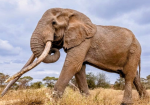
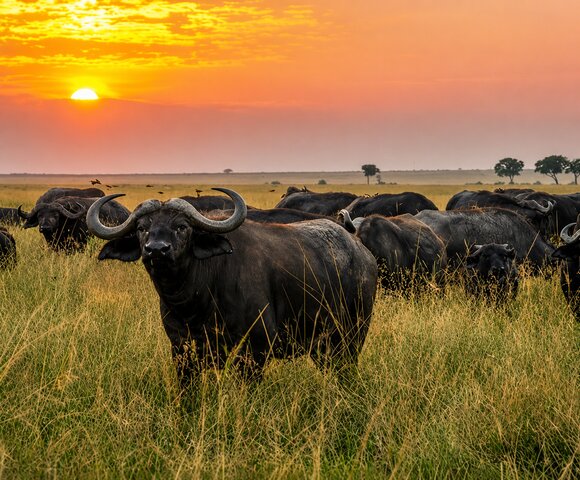
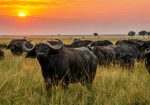
Visitors can expect regular sightings of elephants, buffalo, lions, leopards, cheetahs, spotted hyenas, giraffes, zebras, elands, hartebeests, waterbucks, impalas, warthogs, and numerous other plains game. The park’s rivers are home to large pods of hippos and Nile crocodiles, while quieter areas occasionally reward patient visitors with more elusive species such as aardwolves, servals, caracals, and aardvarks.
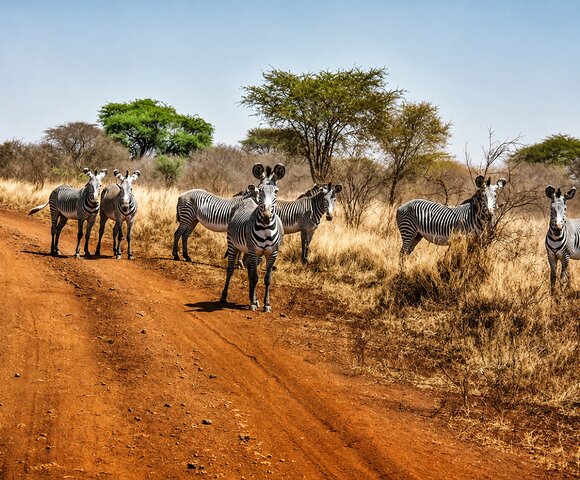
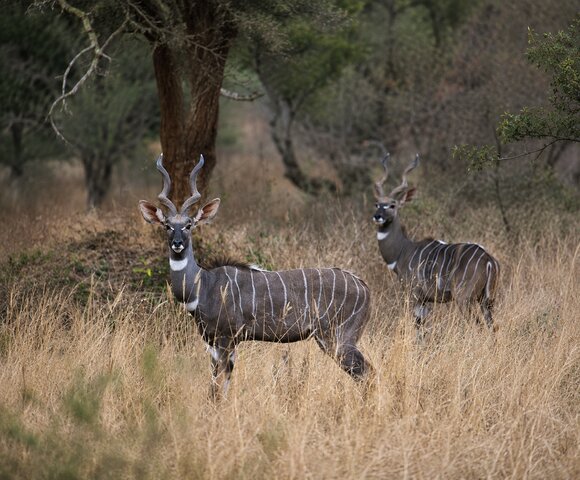
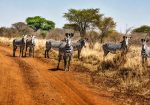
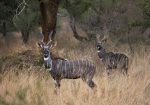
Meru also offers an excellent opportunity to see several species more commonly associated with northern Kenya. Grevy’s zebra, reticulated giraffe, lesser kudu, gerenuk, and Beisa oryx all occur within the park, adding even greater variety to wildlife viewing and making every game drive feel different.
Because Meru receives fewer visitors than many of Kenya’s more famous parks, wildlife sightings often feel more personal. It’s not unusual to spend time watching elephants feeding beside a river or lions resting beneath acacia trees without another vehicle nearby, creating the kind of peaceful safari experience many travellers dream about.
Birdlife
Meru National Park is equally rewarding for bird enthusiasts, with more than 400 recorded bird species thriving across its rivers, wetlands, forests, grasslands, and open savannah. Even visitors whose main focus is wildlife are often surprised by the remarkable variety of colourful and fascinating birds encountered throughout the park.
The rivers and swamps attract kingfishers, herons, storks, African fish eagles, cormorants, and numerous waterbirds, while the surrounding woodland provides excellent habitat for hornbills, rollers, bee-eaters, woodpeckers, sunbirds, and weavers. Keen birdwatchers may also hope to spot more specialised species such as the Pel’s fishing owl, Peter’s finfoot, golden-breasted starling, Heuglin’s courser, and palm-nut vulture, all of which add to Meru’s reputation as one of Kenya’s outstanding birding destinations.
During the wetter months, migratory birds further increase the park’s already impressive diversity, making Meru an excellent destination for both experienced birdwatchers and first-time safari visitors interested in discovering Kenya’s rich birdlife.
Rivers and Riverine Forests
Few national parks in Kenya are shaped by water quite like Meru. More than a dozen permanent and seasonal rivers weave through the landscape, including the Tana, Rojewero, Ura, Murera, and Bisanadi rivers, creating lush riverine forests that contrast beautifully with the surrounding grasslands and bush.
These rivers are far more than scenic features. They provide a dependable source of water throughout the year, attracting elephants, buffalo, antelope, hippos, crocodiles, and countless bird species. Driving alongside the shaded riverbanks, visitors often encounter wildlife emerging from the forest to drink or feed, particularly during the early morning and late afternoon.
The towering doum palms, raffia palms, and dense riverine vegetation also give Meru a distinctive character unlike many other Kenyan safari destinations, adding to the sense of exploring a remote, thriving wilderness.
Scenic Landscapes
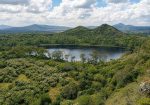
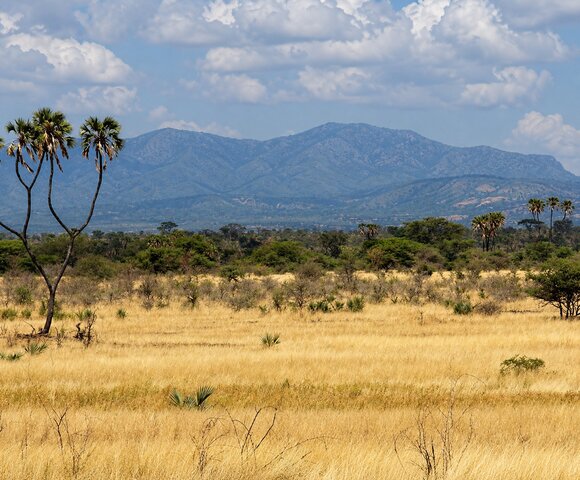
Meru National Park is one of Kenya’s most scenic safari destinations, where every change in habitat reveals a different side of the landscape. Expansive grasslands stretch towards gently rolling hills, while acacia woodland, seasonal wetlands, rocky outcrops, and lush forests create an ever-changing backdrop for wildlife viewing.
Towering baobab trees stand alongside graceful doum and raffia palms, giving the park a unique blend of northern and central Kenyan landscapes. During the rainy seasons, the countryside transforms into vibrant shades of green, while the dry months reveal golden plains that make wildlife easier to spot and photograph.
For photographers, the combination of dramatic skies, winding rivers, and remarkably uncrowded landscapes creates outstanding opportunities to capture Kenya’s wilderness at its most natural and unspoiled.
Elsa the Lioness and the Born Free Legacy
Perhaps no attraction makes Meru National Park more distinctive than its connection to Elsa the lioness and the world-famous Born Free story. It was here that conservationists Joy and George Adamson raised the orphaned lioness before successfully returning her to the wild, a remarkable achievement that inspired generations of wildlife conservationists around the world.
Visitors can explore Elsa’s Grave, a simple stone memorial overlooking the wilderness she once called home, as well as the remains of the Adamsons’ former camp. Nearby, Adamson’s Falls offers another reminder of their enduring legacy within the park.
For many visitors, these sites add a deeper dimension to the safari experience. They are not simply historical landmarks but powerful reminders of Kenya’s pioneering role in wildlife conservation and the enduring relationship between people and the natural world.
Unlike many safari destinations that are remembered for a single animal or landscape, Meru leaves visitors with something more enduring: the feeling of walking through the very wilderness where one of conservation’s most inspiring stories unfolded.
Activities & Experiences in Meru National Park
Game Drives
Few safari experiences feel as exclusive as exploring Meru National Park’s vast wilderness with very few other vehicles in sight. Early morning game drives are especially rewarding, as the golden light spreads across the grasslands and wildlife becomes increasingly active after a cool night. Elephants emerge from the riverine forests, predators begin their morning patrols, and antelope graze peacefully across the open plains.
Afternoon game drives offer a different perspective as wildlife returns to the rivers and swamps to drink before sunset. With its remarkable diversity of habitats, every drive through Meru reveals changing landscapes and new wildlife encounters. Full-day game drives are also available for visitors wishing to explore the park more extensively and maximise their wildlife viewing opportunities.
Bird Watching
With more than 400 recorded bird species, Meru National Park is one of Kenya’s premier birdwatching destinations. Its rivers, wetlands, forests, and open savannah support an extraordinary variety of resident and migratory birds throughout the year.
Whether you’re an experienced birder searching for sought-after species such as Pel’s fishing owl or Peter’s finfoot, or simply enjoying the colourful bee-eaters, rollers, hornbills, kingfishers, and fish eagles encountered during a game drive, birdlife adds another memorable dimension to every safari.
Guided Nature Walks
Some lodges and camps offer guided nature walks led by experienced guides or Kenya Wildlife Service rangers. Exploring the bush on foot allows visitors to appreciate Meru’s smaller wonders that are often overlooked from a safari vehicle, from fascinating plants and insects to animal tracks, birds, and the intricate relationships that sustain this remarkable ecosystem.
Walking through the riverine forests while listening to birdsong and learning about the surrounding environment provides a completely different perspective on the African wilderness.
Elsa the Lioness Historical Experience
Meru National Park offers visitors a rare opportunity to connect with one of Africa’s most inspiring conservation stories. Visiting Elsa’s Grave and the remains of Joy and George Adamson’s former camp provides a deeper appreciation of the remarkable bond between humans and wildlife that inspired Born Free.
For many visitors, this experience transforms Meru from simply another safari destination into a place of genuine historical and conservation significance.
Cultural Experiences
A safari to Meru can also include visits to nearby communities, where visitors have the opportunity to learn about the traditions, customs, and daily life of local people such as the Tharaka and Borana.
These cultural experiences provide valuable insight into the close relationship between local communities and the surrounding natural environment, adding another meaningful dimension to a Meru safari.
Conservation & Sustainability
Conservation lies at the heart of Meru National Park’s continued success. Following years of intense poaching during the late twentieth century, Kenya Wildlife Service has worked tirelessly to restore the park’s wildlife populations through strengthened protection, habitat management, and ongoing conservation initiatives.
One of Meru’s most important achievements is its 48-square-kilometre Rhino Sanctuary, established to protect both black and white rhinos within a secure, closely monitored environment. Highly trained rangers patrol the sanctuary around the clock, helping safeguard one of Kenya’s most important rhino populations while supporting national conservation efforts to protect these critically threatened animals.
Beyond rhino conservation, Meru’s rivers, forests, grasslands, and wetlands provide vital habitat for countless other species. Continued anti-poaching operations, ecological monitoring, habitat restoration, and responsible tourism all contribute to preserving the park’s remarkable biodiversity for future generations.
By visiting Meru National Park, travellers directly support conservation programmes that help protect Kenya’s wildlife while creating sustainable benefits for surrounding communities through tourism.
Best Time to Visit Meru National Park
Meru National Park is a rewarding safari destination throughout the year, with each season offering a slightly different experience. Thanks to its network of permanent rivers and diverse habitats, wildlife can be seen in every month, although changing weather conditions influence the scenery, photography, birdlife, and ease of wildlife viewing.
January to February (Short Dry Season)
The short dry season brings warm, sunny weather and excellent conditions for game drives. Vegetation remains relatively open, making it easier to spot elephants, lions, giraffes, and other wildlife as they move between the park’s rivers and open plains.
This is also an excellent time for photography, with clear skies, comfortable temperatures, and beautiful morning and evening light creating ideal conditions for capturing Meru’s varied landscapes.
March to May (Long Rains)
The long rains transform Meru into one of Kenya’s most beautiful safari landscapes. Rivers flow strongly, forests become lush, and the grasslands turn vibrant green, creating spectacular scenery throughout the park.
Although the taller vegetation can make wildlife slightly more challenging to spot, this season rewards visitors with dramatic landscapes, excellent birdwatching, fewer safari vehicles, and wonderful opportunities for nature and landscape photography.
June to September (Long Dry Season)
The cooler long dry season is widely regarded as the best time for wildlife viewing. As vegetation gradually thins, animals become easier to locate, particularly around Meru’s permanent rivers and water sources where wildlife gathers throughout the day.
Comfortable temperatures, dry roads, and clear skies also make this one of the most popular times to visit, especially for first-time safari travellers and wildlife photographers.
October to December (Short Rains)
The short rains bring fresh greenery back to the landscape without significantly disrupting safari activities. Short showers are often followed by sunshine, leaving the park looking fresh while wildlife viewing remains rewarding.
Birdwatchers particularly enjoy this season as migratory species begin arriving, while photographers appreciate the rich colours, dramatic cloud formations, and beautiful natural light that often follow the rain.
Where to Stay in Meru National Park
Although Meru National Park remains one of Kenya’s quieter safari destinations, visitors can choose from a carefully selected range of accommodation both inside the park and nearby. Whether you’re looking for a simple campsite, a comfortable safari lodge, or an exclusive luxury tented camp, Meru offers accommodation that complements its peaceful wilderness setting while catering to different budgets, travel styles, and comfort preferences.
Many lodges and camps are thoughtfully positioned beside rivers or overlooking the surrounding bush, allowing guests to enjoy wildlife sightings, birdsong, and the tranquil atmosphere that makes Meru one of Kenya’s most rewarding safari destinations.
Budget Campsites
Budget campsites provide an excellent option for travellers seeking an authentic safari experience without stretching their budget. Offering basic facilities and easy access to the park, they are ideal for adventurous visitors who prefer spending more time exploring the wilderness than relaxing indoors.
Mid-Range Lodges and Camps
Mid-range accommodation combines comfort, value, and excellent locations close to wildlife viewing areas. Guests can expect comfortable rooms or safari tents, friendly hospitality, and convenient access to game drives while enjoying the peaceful surroundings that make Meru so distinctive.
Luxury Tented Camps and Lodges
Luxury accommodation in Meru offers an intimate safari experience surrounded by unspoiled wilderness. Spacious tented suites or elegant lodges, personalised service, fine dining, and spectacular natural settings allow visitors to unwind after each game drive while remaining immersed in one of Kenya’s most beautiful safari landscapes.
How to Get to Meru National Park
Meru National Park lies approximately 350 kilometres northeast of Nairobi in Meru County and is easily accessible by both road and air. Despite its remote wilderness setting, travelling to the park is straightforward, making it an excellent destination for visitors seeking a quieter safari experience away from Kenya’s busiest parks.
By Road
Travelling by road is the most popular way to reach Meru National Park, particularly for visitors who enjoy experiencing Kenya’s changing landscapes along the journey. The drive from Nairobi typically takes 5 to 6 hours, depending on traffic, weather, and road conditions.
The most commonly used route passes through Nyeri, Nanyuki, and Meru Town before continuing to the park gates. Along the way, travellers enjoy scenic views of the Central Highlands, productive farmland, forests, and rural communities, making the journey an enjoyable part of the safari experience rather than simply the transfer.
By Air
Flying is the quickest and most convenient way to reach Meru National Park. Scheduled flights operate from Wilson Airport in Nairobi to airstrips serving the park and surrounding conservancies, with flight times of approximately one hour.
The flight provides spectacular aerial views of Kenya’s landscapes before landing close to the park. Upon arrival, guests are typically met by lodge representatives or safari guides and transferred directly to their accommodation, allowing them to begin their safari almost immediately.
Meru National Park Safari Packages
Whether you’re looking for a peaceful safari away from the crowds, retracing the remarkable Born Free story, or discovering one of Kenya’s most unspoilt wilderness areas, Meru National Park offers safari experiences to suit a wide range of interests, travel styles, and budgets.
Its location in Kenya’s Central Highlands also makes it easy to combine Meru with other outstanding safari destinations, including Samburu National Reserve, Ol Pejeta Conservancy, Aberdare National Park, Mount Kenya National Park, or even the Maasai Mara as part of a longer Kenya safari itinerary.
At Giorgi Safaris, we tailor every itinerary around your interests, travel dates, accommodation preferences, and budget rather than offering one-size-fits-all packages. Whether you’re planning a short wildlife escape or a multi-destination safari across Kenya, we’ll help you create an itinerary that matches the experience you’re looking for. Some of our most popular Meru National Park safari packages include:
2-Day Meru National Park Safari
Ideal for travellers with limited time, this short safari introduces you to Meru’s beautiful landscapes, abundant wildlife, and peaceful atmosphere while allowing enough time for rewarding game drives.
Perfect for: Weekend getaways, domestic travellers, and visitors already exploring Central Kenya.
3-Day Meru National Park Safari
A three-day safari provides more opportunities to experience Meru’s remarkable diversity. With additional game drives, visitors have greater chances of encountering predators, elephants, rhinos, and the unique Northern Five, while also exploring the park’s rivers and historical sites connected to Elsa the lioness.
Perfect for: First-time visitors, photographers, wildlife enthusiasts, and couples.
Meru and Samburu Safari
Combining Meru National Park with Samburu National Reserve creates an outstanding northern Kenya safari. Visitors enjoy two very different ecosystems while increasing their chances of seeing species found only in northern Kenya, including the Special Five.
Perfect for: Repeat safari visitors, wildlife enthusiasts, and photographers.
Meru, Ol Pejeta and Aberdare Safari
This itinerary combines Meru’s wilderness with rhino conservation at Ol Pejeta Conservancy and the mist-covered forests, waterfalls, and unique tree lodges of Aberdare National Park, creating an unforgettable journey through Kenya’s Central Highlands.
Perfect for: Families, conservation enthusiasts, and travellers seeking diverse landscapes.
Meru and Maasai Mara Safari
Experience two of Kenya’s most remarkable safari destinations on one unforgettable journey. Meru offers peaceful wilderness and uncrowded wildlife viewing, while the Maasai Mara delivers vast savannahs, abundant predators, and, seasonally, the Great Migration.
Perfect for: First-time visitors wanting to experience two very different safari destinations.
Kenya Safari and Beach Holiday
Meru can also form part of a longer Kenya itinerary that combines wildlife with relaxation along the Indian Ocean coast. After exploring Meru’s rivers, forests, and open plains, many visitors continue to destinations such as Diani Beach or Watamu for a few days beside the ocean.
Perfect for: Honeymooners, families, and visitors seeking the best of Kenya’s wildlife and coastline.
Frequently Asked Questions About Meru National Park
1. Is Meru National Park worth visiting?
Yes. Meru National Park is widely regarded as one of Kenya’s best-kept safari secrets. It combines excellent wildlife viewing, diverse landscapes, fascinating conservation history, and significantly fewer visitors than many of Kenya’s more famous parks.
2. How many days should I spend in Meru National Park?
Two to three days is ideal for most visitors. This allows enough time for several game drives, birdwatching, visiting Elsa’s Grave, and fully appreciating the park’s varied landscapes.
3. Can I see the Big Five in Meru National Park?
Meru is home to lions, leopards, elephants, buffaloes, and both black and white rhinos. Leopards can be elusive, but patient visitors have an excellent chance of seeing most of the Big Five during a well-planned safari.
4. What is Meru National Park famous for?
Meru is best known as the setting of the famous Born Free story, its successful rhino sanctuary, peaceful wilderness, diverse habitats, and excellent populations of elephants, predators, and the Northern Five.
5. When is the best time to visit Meru National Park?
The dry seasons from June to September and January to February generally provide the best wildlife viewing, while the green seasons from March to May and October to December offer beautiful scenery, excellent birdwatching, and fewer visitors.
6. Is Meru National Park suitable for families?
Yes. Families looking for a quieter safari experience often enjoy Meru because of its uncrowded game drives, varied wildlife, and opportunities to learn about conservation and Kenya’s natural history.
7. How do I get to Meru National Park?
Visitors can reach Meru National Park by road from Nairobi in approximately five to six hours or by scheduled flights from Wilson Airport to nearby airstrips, followed by a short transfer to their accommodation.
8. What wildlife can I expect to see?
Meru supports elephants, lions, leopards, cheetahs, buffaloes, rhinos, hippos, crocodiles, giraffes, Grevy’s zebras, gerenuks, Beisa oryx, lesser kudus, and more than 400 bird species.
9. Is Meru National Park crowded?
No. One of Meru’s greatest attractions is its peaceful atmosphere. Visitors often enjoy game drives with very few other vehicles, creating a more exclusive and authentic safari experience.
10. Can Meru National Park be combined with other safari destinations?
Absolutely. Meru combines particularly well with Samburu National Reserve, Ol Pejeta Conservancy, Aberdare National Park, Mount Kenya National Park, and the Maasai Mara as part of a longer Kenya safari.
Conclusion: Why Visit Meru National Park
Meru National Park remains one of Kenya’s most rewarding safari destinations for travellers seeking something beyond the well-known safari circuit. Its peaceful wilderness, remarkable wildlife, rich conservation history, and connection to the unforgettable story of Elsa the lioness create an experience unlike anywhere else in the country.
Whether you’re watching elephants cross open grasslands, searching for the Northern Five, exploring riverine forests alive with birdsong, or standing at the resting place of Elsa, every moment in Meru feels authentic, unhurried, and deeply connected to Kenya’s natural heritage.
For visitors who value spectacular wildlife, diverse landscapes, and the rare opportunity to experience one of Kenya’s least-crowded national parks, Meru National Park is a destination that leaves a lasting impression long after the safari has ended.
Start Planning Your Meru National Park Safari
Whether you’re planning a short escape into Kenya’s unspoilt wilderness, combining Meru with Samburu, Ol Pejeta, Aberdare, Mount Kenya, or the Maasai Mara, or creating a longer safari across Kenya’s most spectacular wildlife destinations, Giorgi Safaris is here to help you plan every detail with confidence.
We’ll tailor your itinerary around your interests, travel dates, preferred accommodation, and budget, creating a safari that reflects exactly how you want to experience Kenya.
From following the remarkable legacy of Elsa the lioness to exploring one of Kenya’s most peaceful and rewarding safari destinations, we’ll help you create memories that stay with you long after your journey ends.
Get in touch with Giorgi Safaris today and let us help you plan a Meru National Park safari you’ll always remember.