Overview
Tsavo West National Park is one of Kenya’s most spectacular safari destinations, where rugged volcanic landscapes, crystal-clear springs, abundant wildlife, and fascinating history combine to create an unforgettable safari experience. Covering approximately 9,065 square kilometres, it is the country’s second-largest national park and forms part of the vast Tsavo Conservation Area together with Tsavo East National Park.
Unlike many of Kenya’s open savannah parks, Tsavo West offers remarkable scenery at every turn. Ancient lava flows, extinct volcanic cones, rocky hills, natural springs, seasonal rivers, swamps, dense woodlands, and expansive plains create an ever-changing landscape that makes every game drive feel unique. Whether you’re watching elephants emerge from thick acacia woodland or standing on the edge of a volcanic crater overlooking endless wilderness, the park offers much more than wildlife alone.
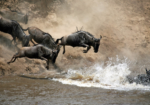
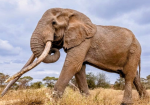
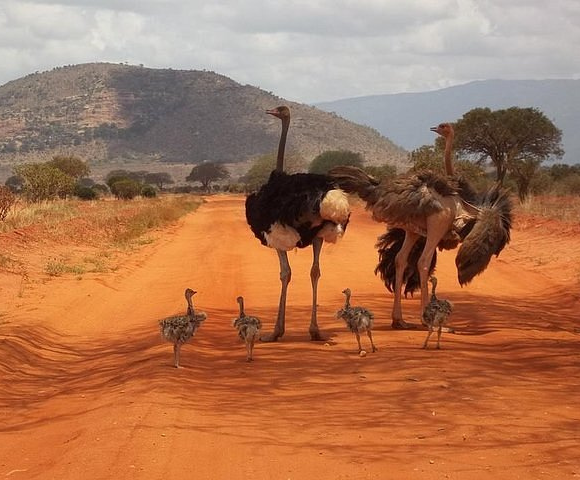
Tsavo West is home to around 60 species of mammals, including the famous Big Five: lion, leopard, elephant, buffalo, and black rhino. The park also supports more than 500 recorded bird species, making it one of Kenya’s premier destinations for both wildlife viewing and birdwatching. Large elephant herds, graceful giraffes, elusive leopards, crocodiles, hippos, colourful birdlife, and countless other animals thrive across the park’s varied habitats.
The park also holds an important place in East Africa’s history. During the First World War, parts of Tsavo West became strategic military routes and battlegrounds in the campaign between British and German forces. Long before that, the region was inhabited by early human communities, with archaeological discoveries revealing ancient tools, pottery, Iron Age settlements, and burial sites that offer valuable insight into Kenya’s distant past.
Today, Tsavo West National Park is a destination where wildlife, dramatic scenery, geology, and history come together in remarkable harmony. Whether you’re planning your first safari in Kenya or returning to explore another corner of the country’s incredible wilderness, Tsavo West offers an experience that is both diverse and unforgettable.
Attractions of Tsavo West National Park
One of the reasons Tsavo West is so rewarding is its incredible variety. Within a single day, you can drive across ancient lava fields, watch hippos beneath crystal-clear spring water, climb volcanic hills, and encounter some of Africa’s most iconic wildlife. Few national parks in Kenya offer such a diverse combination of natural attractions.
Wildlife
Tsavo West supports an impressive diversity of wildlife, with around 60 recorded mammal species living across its varied ecosystems. The park’s open plains, woodlands, rocky hills, and wetlands provide ideal habitats for both predators and herbivores, making every game drive full of possibilities.
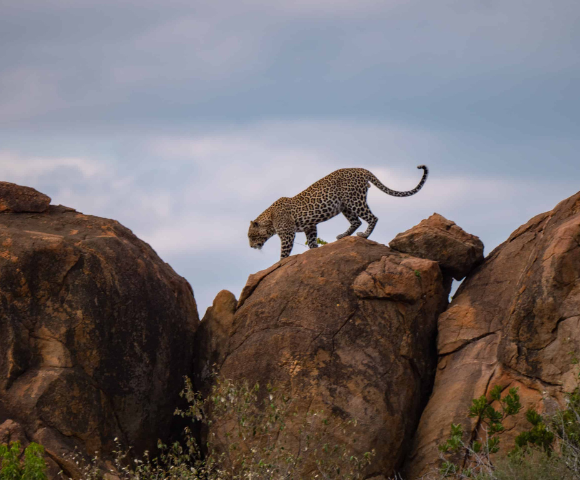
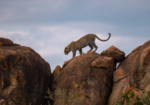
Predators found in the park include lions, leopards, cheetahs, spotted hyenas, African wild dogs, servals, and smaller carnivores such as the black-backed jackal, side-striped jackal, and bat-eared fox. While leopards are naturally elusive, Tsavo West is regarded as one of Kenya’s better parks for spotting them, particularly around the riverine forests and rocky escarpments.
Large herbivores are abundant throughout the park. Visitors frequently encounter elephants, buffaloes, zebras, Maasai giraffes, impalas, Grant’s gazelles, fringe-eared oryx, elands, bushbucks, lesser kudus, dik-diks, and the critically endangered black rhino, which is protected within the Ngulia Rhino Sanctuary.
Hippos and Nile crocodiles inhabit the park’s rivers, swamps, and Mzima Springs, while troops of olive baboons, vervet monkeys, and Sykes’ monkeys are commonly seen in the forested areas. Smaller mammals such as rock hyraxes, mongooses, porcupines, and hares also contribute to the park’s remarkable biodiversity.
Although sightings can never be guaranteed, one of the joys of visiting Tsavo West is that every game drive offers something different. The changing landscapes and diverse habitats mean there’s always the possibility of discovering wildlife you hadn’t expected to see.
Birdlife
With more than 500 recorded bird species, Tsavo West National Park is one of Kenya’s finest birdwatching destinations. Even visitors who don’t consider themselves bird enthusiasts are often surprised by the sheer variety of colourful and fascinating species encountered throughout the park.
Resident birds include favourites such as the superb starling, golden-breasted starling, lilac-breasted roller, vulturine guineafowl, white-headed buffalo weaver, hornbills, and several species of kingfishers.
Between October and April, migratory birds arrive from Europe and Asia, making this one of the best periods for birdwatching. Seasonal visitors include the European roller, European bee-eater, barn swallow, common swift, Amur falcon, Eurasian hobby, and lesser grey shrike.
Birds of prey are particularly impressive in Tsavo West. Keep an eye on the skies for martial eagles, bateleurs, Verreaux’s eagles, augur buzzards, African fish eagles, and several species of vultures, including the lappet-faced, white-backed, and Rüppell’s vultures.
Wetland habitats around Mzima Springs, Lake Jipe, and the Tsavo River attract numerous water birds such as African jacanas, yellow-billed storks, hamerkops, grey herons, pied kingfishers, malachite kingfishers, and green sandpipers.
The park is also home to several sought-after specialty species, including Fischer’s starling, the Taita falcon, golden pipit, Somali bee-eater, Shelley’s starling, Basra reed warbler, and the pink-breasted lark, making Tsavo West especially rewarding for experienced birders.
Mzima Springs
Few places in Kenya are as unique as Mzima Springs, one of Tsavo West’s most famous attractions.
Every day, an estimated 250 million litres of crystal-clear water emerge from underground aquifers fed by rainfall in the nearby Chyulu Hills. In the middle of the semi-arid landscape, these springs create a lush oasis filled with palms, figs, raffia trees, and thick riverine vegetation.
The springs attract an abundance of wildlife throughout the year. Hippos spend much of the day submerged in the cool water while Nile crocodiles bask nearby. Monkeys, birds, and numerous smaller animals regularly visit the surrounding forest, especially during the dry season when water elsewhere becomes scarce.
One of Mzima Springs’ most distinctive features is its underwater viewing chamber, where visitors can safely observe hippos, crocodiles, and fish beneath the surface—an experience found in very few places in Africa.
For many visitors, Mzima Springs becomes one of the highlights of their Tsavo West safari.
Shetani Lava Flow
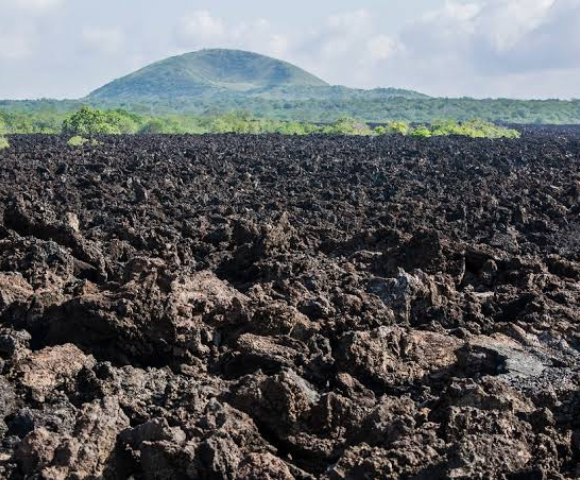
The Shetani Lava Flow is one of Tsavo West’s most dramatic geological landmarks. Stretching across approximately 50 square kilometres, this vast expanse of hardened black lava creates an almost otherworldly landscape that contrasts sharply with the surrounding vegetation.
The word Shetani means “devil” in Kiswahili. According to local legend, early communities believed the glowing lava represented the devil emerging from beneath the earth. Modern geological studies suggest that the most recent eruption occurred only a few hundred years ago, making it one of Kenya’s youngest volcanic features.
Walking across the jagged lava fields offers visitors a rare opportunity to appreciate the immense volcanic forces that shaped much of southern Kenya’s landscape.
Nearby are the Shetani Caves, also formed by volcanic activity. According to local folklore, the caves are inhabited by hyenas, adding another layer of mystery to this fascinating area.
Chaimu Crater and Roaring Rocks
Two of Tsavo West’s best viewpoints are Chaimu Crater and Roaring Rocks.
Chaimu Crater is a relatively young volcanic cone formed from black volcanic ash. Visitors who hike to the summit are rewarded with spectacular panoramic views across the surrounding lava plains, woodlands, and distant Chyulu Hills.
Not far away, Roaring Rocks offers equally impressive scenery. The viewpoint gets its name from the unusual sound produced when strong winds funnel through the rocky escarpment, creating a low roaring effect that combines with the constant chorus of cicadas.
Both locations provide excellent opportunities for photography while showcasing the extraordinary geological history that makes Tsavo West unlike any other safari destination in Kenya.
Ngulia Hills and Rhino Valley
Rising to approximately 1,800 metres above sea level, the Ngulia Hills form one of Tsavo West’s most scenic ridgelines.
From the hills, visitors enjoy sweeping views over Rhino Valley and much of the surrounding wilderness. This area supports a healthy population of antelope, elephants, predators, and numerous bird species, making it an excellent location for wildlife viewing.
Nearby lies the Ngulia Rhino Sanctuary, a protected conservation area established to safeguard the endangered eastern black rhino. Although rhino sightings require patience, Tsavo West remains one of the few places in Kenya where visitors still have a realistic opportunity to see these magnificent animals in a protected natural environment.
Tsavo River
The Tsavo River winds through parts of the park throughout the year, creating a ribbon of green within the surrounding semi-arid landscape.
Its riverbanks are lined with acacia trees and doum palms that provide shade and shelter for a variety of wildlife. Leopards are occasionally seen resting in these trees, while elephants, buffaloes, monkeys, and numerous bird species regularly visit the river to drink.
Together with Mzima Springs, the Tsavo River provides a striking contrast to the park’s otherwise dry environment and plays a vital role in sustaining wildlife during the dry season.
Lake Jipe
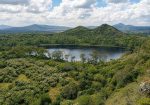
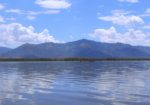
Tucked away in the park’s remote southwestern corner, Lake Jipe offers one of Tsavo West’s most peaceful and scenic settings.
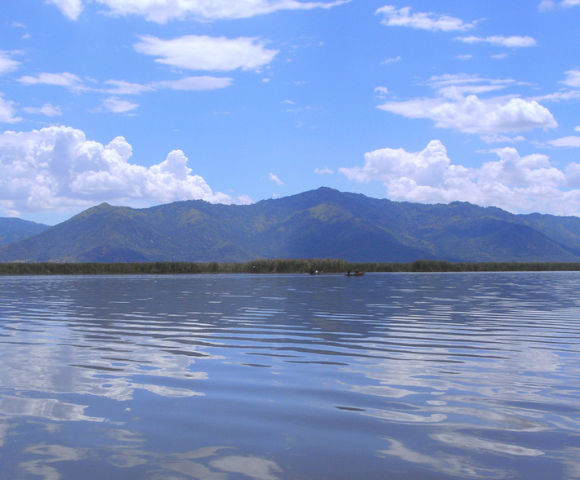
Bordered by Tanzania’s Pare Mountains and Kenya’s Tsavo Hills, the lake feels wonderfully secluded. Large pods of hippos and Nile crocodiles inhabit its waters, while elephants frequently visit the shoreline to drink.
Lake Jipe is also one of the park’s finest birdwatching locations. Between February and May, numerous migratory species use the lake as an important stopover, creating exceptional opportunities for bird photography.
Visitors looking for a quieter safari experience away from the main game-viewing routes often find Lake Jipe to be one of Tsavo West’s hidden gems.
Activities & Experiences in Tsavo West National Park
A safari in Tsavo West is about much more than simply spotting wildlife. The park offers a wide range of activities that allow visitors to experience its landscapes, wildlife, and unique geological features from different perspectives.
Game Drives
Game drives are the highlight of most visits to Tsavo West National Park and the best way to explore its vast and varied landscapes.
Whether you’re travelling on your first Kenyan safari or returning to discover another part of the country, each game drive offers a different experience. One morning may bring close encounters with elephants gathering around waterholes, while another might reward you with sightings of lions resting beneath acacia trees or giraffes browsing quietly through the woodland.
Most safaris are conducted in specially designed 4×4 vehicles with pop-up roofs, allowing unobstructed views for wildlife viewing and photography.
Early morning and late afternoon game drives generally provide the best wildlife sightings, as temperatures are cooler and animals are more active. Visitors who want to maximise their time in the park can also choose full-day game drives with picnic lunches at scenic locations.
Birdwatching
With more than 500 recorded bird species, Tsavo West is one of Kenya’s premier birdwatching destinations. Whether you’re an experienced birder carrying a spotting scope or simply enjoy observing colourful birds during your safari, the park offers rewarding sightings throughout the year.
The variety of habitats, including open plains, woodlands, wetlands, volcanic hills, riverine forests, and freshwater springs, supports an impressive diversity of resident and migratory species. Each habitat offers something different, making birdwatching an activity that naturally complements game drives.
Some of the best birding locations include Mzima Springs, Ngulia Hills, Rhino Valley, Lake Jipe, and the Tsavo River. During the migratory season between October and April, bird activity reaches its peak as species from Europe and Asia join the park’s resident birds.
Early mornings are generally the most productive time for birdwatching, when birds are most active and the soft morning light creates excellent conditions for photography.
Wildlife Photography
Tsavo West offers exceptional opportunities for both wildlife and landscape photography. Few national parks in Kenya combine such dramatic scenery with such a wide variety of animals.
Photographers can capture elephants crossing ancient lava fields, hippos beneath the crystal-clear waters of Mzima Springs, giraffes silhouetted against volcanic hills, or colourful birdlife perched among riverine trees. The constantly changing scenery means every game drive presents fresh photographic opportunities.
Some of the park’s best photography locations include Mzima Springs, Shetani Lava Flow, Chaimu Crater, Roaring Rocks, Ngulia Hills, Lake Jipe, and the Tsavo River, each offering its own unique combination of wildlife, scenery, and spectacular backdrops. For the best lighting, photographers should aim for early morning and late afternoon game drives, when the sun is lower, temperatures are cooler, and wildlife is generally more active.
Guided Nature Walks and Excursions
While game drives remain the main safari activity, exploring parts of Tsavo West on foot offers a completely different perspective.
Guided nature walks are conducted by experienced, armed Kenya Wildlife Service rangers who introduce visitors to aspects of the park that are often overlooked from a vehicle. Along the way, you’ll learn about indigenous plants, animal tracks, insects, geology, and the intricate relationships that make the ecosystem function.
One of the most popular walking experiences is at Mzima Springs, where a well-maintained trail leads through lush vegetation to the spring pools. The famous underwater viewing chamber allows visitors to watch hippos, crocodiles, and fish beneath the surface, an experience that few safari destinations can match.
Adventure seekers can also explore the Shetani Lava Flow, visit the nearby Shetani Caves, or hike to the summit of Chaimu Crater. These excursions provide breathtaking panoramic views and a closer appreciation of the volcanic forces that shaped the region.
Another worthwhile stop is Poacher’s Lookout, a scenic viewpoint overlooking vast stretches of Tsavo West. On exceptionally clear days, visitors may even catch glimpses of the Amboseli ecosystem and the snow-capped peak of Mount Kilimanjaro across the Tanzanian border.
If you plan to participate in any walking excursions, sturdy footwear, a hat, sunscreen, and plenty of drinking water are highly recommended.
Boating on Lake Jipe
One of Tsavo West’s lesser-known experiences is a peaceful boat excursion on Lake Jipe.
Unlike traditional game drives, boating allows visitors to experience the park from the water while enjoying close views of hippos, crocodiles, water birds, and the surrounding wetland ecosystem.
The calm waters, combined with the beautiful backdrop of the Pare Mountains and Tsavo Hills, create an atmosphere that feels both relaxing and secluded. For birdwatchers and photographers, the lake provides excellent opportunities to observe species that are difficult to approach by road.
Because relatively few visitors make it to Lake Jipe, a boat excursion here often feels like discovering one of Tsavo West’s best-kept secrets.
Camping
For travellers who want to immerse themselves fully in the African wilderness, camping offers one of the most memorable ways to experience Tsavo West.
The park features both public campsites and designated private campsites catering to different styles of camping. Falling asleep to the distant roar of lions or waking to the sounds of birds greeting the sunrise creates memories that many visitors remember long after their safari ends.
Camping also allows visitors to spend more time enjoying the park’s peaceful atmosphere after most day visitors have left, making it an excellent option for adventurous travellers seeking a closer connection with nature.
Conservation and Sustainability Efforts
Tsavo West National Park plays a vital role in conserving Kenya’s wildlife and natural ecosystems. Together with neighbouring Tsavo East National Park and surrounding protected areas, it forms one of Africa’s largest conservation landscapes, providing essential habitat for countless animal species.
The park is managed by the Kenya Wildlife Service (KWS), which works continuously to protect wildlife through anti-poaching patrols, scientific research, habitat management, and community partnerships. These conservation efforts have helped safeguard vulnerable species, particularly the endangered eastern black rhino, whose population is protected within the secure Ngulia Rhino Sanctuary.
Conservation in Tsavo West extends beyond protecting individual species. The park preserves important wildlife migration corridors that allow elephants and other animals to move between Tsavo, Chyulu Hills, Amboseli, and neighbouring ecosystems. Maintaining these natural connections is essential for healthy wildlife populations and long-term ecological balance.
Many lodges and camps operating within the park also contribute to sustainable tourism by reducing plastic waste, conserving water, using renewable energy where possible, supporting local communities, and employing people from neighbouring areas.
When you visit Tsavo West, your park entry fees directly support conservation programmes, wildlife protection, habitat preservation, and community initiatives that help ensure this remarkable landscape can be enjoyed by future generations.
Responsible tourism also plays an important role. Visitors are encouraged to remain on designated roads, respect wildlife viewing distances, avoid littering, and follow guidance from their safari guides and park rangers. These simple practices help minimise human impact while protecting the park’s fragile ecosystems.
Best Time to Visit Tsavo West National Park
Tsavo West is a rewarding safari destination throughout the year, but each season offers a slightly different experience. The best time to visit depends on what you’d most like to see during your safari.
January to February and June to September (Dry Season)
These months are widely regarded as the best time for wildlife viewing.
As water becomes less abundant across the park, many animals gather around permanent water sources such as Mzima Springs, rivers, and waterholes, making wildlife easier to locate during game drives. Vegetation is also thinner, improving visibility across much of the park.
These periods coincide with the peak safari season, so accommodation tends to book up earlier and prices are generally higher. If you’re planning to travel during these months, it’s advisable to reserve your safari well in advance.
October to December (Short Rains)
The short rains usually bring brief afternoon showers that rarely disrupt safari activities.
The landscape quickly transforms into vibrant shades of green, creating beautiful scenery for photography. Wildlife remains active, visitor numbers are generally lower than during the peak dry season, and accommodation rates are often more moderate.
From mid-December onwards, however, demand increases again as Christmas and New Year holidays attract both domestic and international travellers.
March to May (Long Rains)
The long rainy season receives the highest rainfall of the year.
Some roads, particularly in remote sections of the park, may become muddy or temporarily inaccessible. Wildlife is more widely dispersed because water and fresh vegetation are readily available throughout the park.
Although game viewing can sometimes be less predictable, this period offers significant advantages for visitors seeking a quieter safari. The landscapes are exceptionally green, birdlife is abundant, and accommodation prices are generally at their lowest.
Where to Stay in Tsavo West National Park
Whether you’re travelling on a budget, planning a family safari, or celebrating a special occasion, Tsavo West offers accommodation options to suit almost every travel style.
From simple bush camps to luxurious safari lodges overlooking wildlife-rich landscapes, visitors can choose the level of comfort that best matches their expectations and budget.
Budget Campsites
Budget campsites provide an affordable way to experience the African wilderness.
Most public campsites offer basic facilities such as communal kitchens, toilets, and cold-water showers. While amenities are simple, they allow travellers to enjoy an authentic safari experience surrounded by nature.
These campsites are particularly popular with backpackers, self-drive travellers, student groups, and adventurous visitors who prefer spending more time outdoors.
Mid-Range Lodges and Tented Camps
Mid-range accommodation offers an excellent balance between comfort, affordability, and convenience.
Guests can expect comfortable rooms or safari tents with en-suite bathrooms, hot showers, restaurants, bars, swimming pools, and friendly service. Many properties are located close to popular wildlife viewing areas, allowing visitors to maximise their time exploring the park.
These accommodations are an excellent choice for couples, families, and small groups looking for a comfortable safari without the premium price tag.
Luxury Safari Lodges and Camps
For travellers seeking a more exclusive experience, Tsavo West is home to several outstanding luxury safari lodges and tented camps.
Many occupy spectacular locations overlooking waterholes or scenic landscapes where wildlife frequently gathers. Spacious suites, private verandas, elegant interiors, fine dining, spa facilities, plunge pools, and highly personalised service combine to create a memorable safari experience.
Imagine enjoying dinner beneath a starlit African sky while elephants quietly drink at a nearby waterhole before retiring to your suite as the sounds of the wilderness echo through the night. Experiences like these are what make a luxury safari in Tsavo West truly unforgettable.
Regardless of your budget, booking accommodation early is recommended during peak travel periods, particularly between June and September and over the Christmas holidays.
How to Get to Tsavo West National Park
Tsavo West National Park is conveniently located in southeastern Kenya along the Nairobi–Mombasa Highway, making it easily accessible by both road and air.
Whether you’re starting your safari from Nairobi, Mombasa, or another nearby national park, reaching Tsavo West is relatively straightforward.
By Road
Travelling by road is the most popular way to reach the park and allows visitors to enjoy Kenya’s changing landscapes along the journey.
From Nairobi, the drive to Mtito Andei Gate covers approximately 233 kilometres and usually takes around 4½ to 5 hours, depending on traffic and road conditions.
From Mombasa, the journey to Tsavo Gate near Manyani is approximately 170 kilometres and typically takes about 4 hours.
Tsavo West is also easily combined with nearby destinations such as Tsavo East, Amboseli National Park, Chyulu Hills National Park, and Kenya’s coast, making it an excellent addition to longer safari itineraries.
By Air
Visitors looking to reduce travel time can fly directly into Tsavo West.
Scheduled domestic flights operated by airlines such as AirKenya and Safarilink depart daily from Wilson Airport in Nairobi to several airstrips within the park.
The flight takes approximately one hour and provides spectacular aerial views of Kenya’s diverse landscapes, including volcanic hills, rivers, and the vast Tsavo ecosystem.
Upon arrival, guests are usually met by their safari guide or lodge representative and transferred directly to their accommodation, allowing them to begin their safari almost immediately.
For travellers with limited time or those seeking a more comfortable journey, flying offers an efficient and enjoyable way to reach Tsavo West.
Tsavo West National Park Safari Packages
Whether you’re planning your first safari in Kenya or returning to explore another remarkable destination, Tsavo West National Park offers safari experiences to suit a wide range of travel styles, budgets, and interests.
At Giorgi Safaris, we can tailor every itinerary to your preferences rather than offering one-size-fits-all packages. Whether you’re looking for a short wildlife escape, a luxury honeymoon safari, a family adventure, or an extended journey through Kenya’s most iconic national parks, we’ll help design an itinerary that matches your interests, travel style, and budget. Some of our most popular Tsavo West safari options include:
2-Day Tsavo West Safari
Perfect for travellers with limited time, this short safari focuses on the park’s highlights, including game drives, Mzima Springs, and some of Tsavo West’s most scenic viewpoints. It’s an excellent option for visitors staying in Nairobi or combining a safari with a beach holiday along Kenya’s coast.
3-Day Tsavo West Safari
A three-day safari allows more time to explore the park’s diverse habitats and increases your chances of spotting a wider variety of wildlife. It also provides opportunities to visit attractions such as Shetani Lava Flow, Chaimu Crater, Lake Jipe, and Ngulia Rhino Sanctuary without feeling rushed.
Tsavo West and Tsavo East Safari
Since Tsavo East and Tsavo West form one of Africa’s largest protected ecosystems, combining both parks creates an exceptional safari experience.
While Tsavo East is known for its vast open plains and famous red elephants, Tsavo West offers dramatic volcanic scenery, dense vegetation, crystal-clear springs, and varied landscapes. Together, they provide one of Kenya’s most rewarding safari combinations.
Tsavo West and Amboseli Safari
Combining Tsavo West with Amboseli National Park offers visitors the chance to experience two very different ecosystems.
After exploring Tsavo West’s volcanic landscapes and abundant wildlife, continue to Amboseli, where large elephant herds roam beneath the spectacular backdrop of Mount Kilimanjaro.
Tsavo West and Kenya Coast Safari
Many travellers choose to combine a safari with a relaxing beach holiday.
Thanks to its convenient location between Nairobi and Mombasa, Tsavo West pairs perfectly with Kenya’s beautiful coastline. After several exciting days of wildlife viewing, you can unwind on the white sandy beaches of Diani, Watamu, Malindi, or Nyali.
Whether you’re celebrating a honeymoon, travelling with family, or simply looking for the perfect balance of adventure and relaxation, this combination offers the best of both worlds.
No matter which itinerary you choose, every safari can be customised to include your preferred accommodation, activities, travel dates, and budget.
Frequently Asked Questions About Tsavo West National Park
1. Is Tsavo West National Park worth visiting?
Absolutely. Tsavo West is one of Kenya’s most diverse safari destinations, offering exceptional wildlife viewing alongside spectacular volcanic landscapes, Mzima Springs, Lake Jipe, and fascinating geological features. It’s an excellent choice for travellers looking for a quieter safari experience away from larger crowds.
2. How many days should I spend in Tsavo West?
A minimum of two days allows you to experience the park’s main attractions. However, three days is recommended if you’d like a more relaxed safari with enough time to explore areas such as Mzima Springs, Chaimu Crater, Shetani Lava Flow, and Lake Jipe while enjoying multiple game drives.
3. What animals can I see in Tsavo West?
Tsavo West is home to around 60 mammal species, including elephants, lions, leopards, buffaloes, black rhinos, giraffes, zebras, cheetahs, hippos, crocodiles, hyenas, African wild dogs, antelope species, monkeys, and many smaller mammals.
The park also supports more than 500 bird species, making it one of Kenya’s best birdwatching destinations.
4. Can I see the Big Five in Tsavo West?
Yes. Tsavo West is one of the few national parks in Kenya where visitors have the opportunity to see all members of the Big Five: lion, leopard, elephant, buffalo, and black rhino.
While sightings of leopards and black rhinos are never guaranteed because of their naturally elusive behaviour, the park offers excellent opportunities to encounter the other members of the Big Five throughout the year.
5. What is Tsavo West National Park famous for?
Tsavo West is best known for its dramatic volcanic landscapes, Mzima Springs, Shetani Lava Flow, Ngulia Rhino Sanctuary, Chaimu Crater, Lake Jipe, abundant wildlife, and exceptional birdlife.
Its combination of geology, history, and wildlife makes it one of Kenya’s most distinctive safari destinations.
6. When is the best time to visit Tsavo West?
The best wildlife viewing is generally during the dry seasons between January and February and June to September, when animals gather around permanent water sources.
For birdwatching, the period between October and April is especially rewarding as migratory birds join the park’s resident species.
7. Can I visit Tsavo West from Mombasa?
Yes. Tsavo West is one of the most popular safari destinations for travellers staying in Mombasa and Kenya’s coastal resorts.
The park is approximately four hours by road from Mombasa, making it ideal for two-day and three-day safari packages. Visitors can also fly directly from Nairobi to one of the park’s airstrips if they prefer to travel by air.
8. Is Tsavo West better than Tsavo East?
Neither park is necessarily better; they simply offer different experiences.
Tsavo East is characterised by vast open plains that make wildlife easier to spot, while Tsavo West features more varied scenery, volcanic landscapes, dense vegetation, Mzima Springs, and a wider range of geological attractions.
Many travellers choose to visit both parks during the same safari to enjoy the unique highlights each has to offer.
9. Is Tsavo West suitable for families?
Yes. Tsavo West is an excellent destination for families with children who enjoy wildlife and nature.
Many lodges and camps offer family-friendly accommodation, and children often find attractions such as Mzima Springs, elephants, giraffes, hippos, and the volcanic landscapes particularly exciting.
When travelling with younger children, it’s always advisable to choose accommodation and safari activities that are appropriate for their age.
Conclusion: Why Visit Tsavo West National Park?
Few safari destinations in Kenya combine such extraordinary scenery with exceptional wildlife quite like Tsavo West National Park.
From the crystal-clear waters of Mzima Springs and the dramatic black lava fields of Shetani to the panoramic views from Chaimu Crater and the peaceful wetlands of Lake Jipe, every part of the park offers something different to discover. Add to that its remarkable wildlife, rich birdlife, fascinating history, and important conservation efforts, and it’s easy to see why Tsavo West remains one of Kenya’s most rewarding safari destinations.
Unlike some of the country’s busier parks, Tsavo West often provides a quieter and more intimate safari experience. Whether you’re watching elephants gather at a waterhole, photographing colourful birds, hiking through ancient volcanic landscapes, or simply enjoying the tranquillity of the African wilderness, the park leaves a lasting impression.
Its convenient location also makes it easy to combine with Tsavo East, Amboseli National Park, or Kenya’s beautiful Indian Ocean coast, allowing you to create a safari itinerary that perfectly matches your interests and available time.
Whether you’re visiting Kenya for the first time or returning to explore another remarkable corner of the country, Tsavo West National Park promises an unforgettable adventure filled with wildlife, spectacular scenery, and authentic safari experiences.
Start Planning Your Tsavo West National Park Safari
Every traveller imagines a different kind of safari. Some dream of watching elephants roam beneath volcanic hills, others hope to photograph rare birds, while many simply want to experience the beauty and tranquillity of Kenya’s wilderness.
At Giorgi Safaris, we believe every safari should be as unique as the people taking it. That’s why we take the time to understand your interests, travel style, budget, and schedule before designing an itinerary that’s right for you.
Whether you’re planning a short Tsavo West safari, combining it with Tsavo East or Amboseli, or extending your adventure to Kenya’s coast, we’ll help you create a seamless and memorable journey from start to finish.
Contact Giorgi Safaris today to start planning your personalised Tsavo West National Park safari and experience one of Kenya’s most spectacular wilderness destinations.